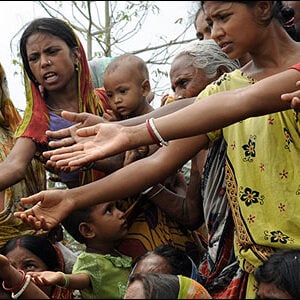
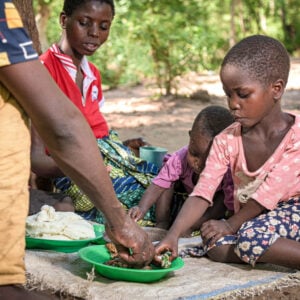
The United Nations reports worsening malnutrition in Somalia, where children and vulnerable communities are facing severe food insecurity driven by prolonged drought, conflict, and limited access to essential humanitarian assistance. Health services are under significant strain as malnutrition cases continue to rise, particularly among displaced populations.
In the Democratic Republic of the Congo, the hunger crisis is deepening due to ongoing conflict and instability in several regions. Displacement and disrupted agricultural activities have left millions of people dependent on humanitarian aid, while access to safe food and basic services remains limited in many affected areas.
Meanwhile, Cuba is experiencing ongoing energy shortages that are impacting daily life, including disruptions to electricity supply and essential public services. The situation has raised concerns about the resilience of infrastructure and the broader economic pressures contributing to fuel and power constraints.
The United Nations emphasizes that these overlapping crises reflect a broader pattern of rising global humanitarian needs, driven by conflict, climate shocks, and economic instability. Humanitarian agencies are working to respond, but limited funding continues to challenge the scale and speed of assistance.
Overall, the briefing highlights the urgent need for increased international support to address food insecurity, malnutrition, and infrastructure challenges across multiple regions, while strengthening long-term resilience in vulnerable countries.