The Integrated Food Security Phase Classification Partnership (IPC) has confirmed that food security conditions in Sudan continue to worsen, with famine risks escalating in 14 areas across three states. This follows earlier confirmations of famine in Kadugli and El Fasher, and likely famine in Dilling, alongside alerts in Um Baru and Kernoi where acute malnutrition surpassed famine thresholds. Despite these warnings, the international community has yet to take meaningful action.
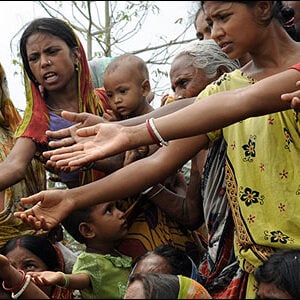
While the latest IPC analysis does not officially declare famine, it stresses that starvation is already a reality for millions and could expand rapidly without improvements in security, humanitarian access, and aid delivery. CARE’s Regional Director Walter Mwasaa warned that the crisis is being ignored and starvation is becoming normalized, urging immediate international action to protect civilians and fund the response.
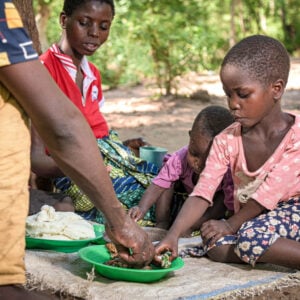
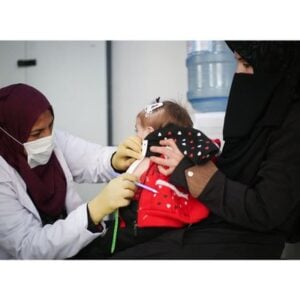
The IPC was unable to conduct a full nationwide projection, meaning the scale of deterioration may be underestimated. Evidence points to an alarming food crisis with no signs of improvement. Active hostilities, including drone attacks and siege tactics, are intensifying across Darfur, Kordofan, and Blue Nile, cutting communities off from food, markets, healthcare, and nutrition services. Many families now survive on one meal a day or less.
Women are bearing a disproportionate burden, facing gender‑based violence and restricted access to food and services. In many households, women act as farmers, traders, and caregivers, sustaining food systems under extreme risk while often eating last and least. Their role as frontline responders underscores the urgent need for protection and support.
The humanitarian response remains critically underfunded, despite recent pledges. The use of starvation as a weapon of war and obstruction of aid access are violations of international humanitarian law. CARE emphasized that starvation is preventable but requires urgent political action, including a comprehensive ceasefire, sustained humanitarian access, and sufficient funding, particularly for local and women‑led organizations who remain the first responders.