Asian Development Bank (ADB) President Masato Kanda met Philippine President Ferdinand R. Marcos Jr. at Malacañan Palace and announced that ADB is ready to provide up to $1.75 billion in additional financing to help the Philippines manage the economic impact of the Middle East conflict. Kanda emphasized that ADB, headquartered in Manila, will act swiftly to support the government in protecting vulnerable communities, managing fiscal pressures, and strengthening resilience.
The Philippines has been severely affected due to its reliance on imported oil, fertilizers, and other commodities. In response, the government declared a national energy emergency and launched the Unified Package for Livelihoods, Industry, Food, and Transport, which includes fuel subsidies, excise tax reductions, and cash assistance for transport workers, farmers, fishers, and repatriated overseas Filipino workers.
ADB’s proposed support includes policy‑based and countercyclical lending of up to $1.75 billion, as well as trade finance if needed, to help mitigate the impact of oil supply disruptions and other shocks. This comes in addition to around $2 billion in policy‑based loans already being prepared for the Philippines in 2026.
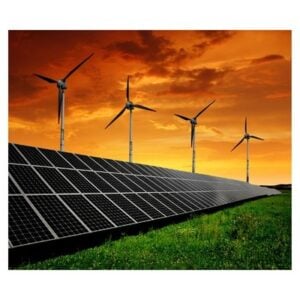
Beyond immediate fiscal support, ADB is working with government agencies to strengthen long‑term resilience. This includes advisory assistance to the Department of Agriculture on fertilizer security, support to the Department of Social Welfare and Development on social protection, and investments in energy security, clean energy, energy efficiency, and mass transit to reduce exposure to fuel‑price volatility.
ADB reaffirmed its role as a leading multilateral development bank committed to sustainable, inclusive, and resilient growth across Asia and the Pacific. Founded in 1966 and owned by 69 members, ADB continues to harness financial tools and partnerships to help countries address complex challenges and safeguard development.