The United Nations has raised concerns over worsening humanitarian crises in Somalia, Gaza, Ukraine and Tunisia, highlighting growing hunger, conflict impacts and human rights violations affecting millions of people.
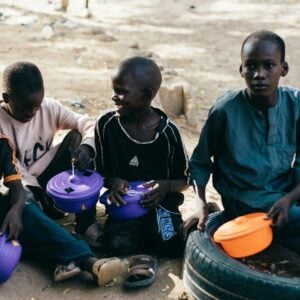
In Somalia, the World Food Programme (WFP) warned that severe drought, conflict and funding shortages are driving millions into acute food insecurity. Around 6.5 million people are currently facing crisis-level hunger or worse, nearly double the number recorded last year. More than two million people are experiencing emergency food insecurity, while approximately 1.8 million children are expected to suffer acute malnutrition in 2026.
Humanitarian agencies noted that dried-up water sources, livestock deaths and worsening drought conditions have severely impacted communities across Somalia and the wider Horn of Africa. Although emergency cash transfers have reached hundreds of thousands of drought-affected people, WFP stated that funding shortages now allow aid agencies to support only a fraction of those in urgent need. Several food assistance programmes and nutritional support services have already been reduced or suspended.
In Gaza, UN agencies reported rapidly deteriorating living conditions as ongoing airstrikes, overcrowding and restricted humanitarian access continue to affect civilians. The United Nations Relief and Works Agency for Palestine Refugees (UNRWA) warned that children living in displacement camps are increasingly exposed to disease and unsanitary conditions, with reports of rodent infestations and severe hygiene problems in overcrowded shelters.
The UN Office for the Coordination of Humanitarian Affairs (OCHA) said restrictions on waste management and access to landfills have worsened sanitation conditions across Gaza. Humanitarian organizations continue distributing hygiene kits and essential supplies, but officials stressed that additional medical support, insecticides, shelter materials and access for sanitation workers are urgently needed.
In Ukraine, UN humanitarian agencies continue delivering aid to civilians living near frontline areas affected by ongoing Russian attacks. Aid convoys have reached communities in Kharkiv and Donetsk regions, providing medicine, hygiene kits, construction materials and solar lamps to vulnerable residents.
UN officials highlighted the devastating impact of the conflict on local populations, particularly in heavily damaged areas where thousands of residents have fled since the beginning of the full-scale invasion in 2022. Recent missile and bomb attacks reportedly caused civilian casualties and damaged residential buildings, educational facilities and public infrastructure.
Meanwhile, UN High Commissioner for Human Rights Volker Türk expressed concern over increasing repression in Tunisia targeting journalists, civil society groups and opposition figures. He criticized legal actions taken against human rights organizations and raised concerns over prosecutions and arrests linked to media reporting and online expression.
The UN human rights chief urged Tunisian authorities to protect democratic freedoms and immediately release individuals detained for expressing protected opinions. He warned that the country’s democratic and human rights progress achieved after 2011 should not be undermined through growing restrictions on civil society and press freedom.