Kenya is strengthening its home-grown school feeding programme by connecting local farmers, schools, and communities through an integrated food system designed to improve nutrition, education, and rural livelihoods. Representatives from the United Nations, development partners, and government institutions recently visited Embu County to assess the programme’s progress and its role in supporting sustainable agriculture and food security.
The initiative allows smallholder farmers to supply crops directly to schools through local cooperatives. Schools purchase food produced within their communities, while students receive nutritious meals that support learning and health outcomes. The programme is part of Kenya’s broader plan to expand school feeding services from approximately 2.6 million learners to nearly 10 million children by 2030, potentially making it one of the largest programmes of its kind in Africa.
During the field mission, officials visited farmer cooperatives that aggregate produce from multiple growers before supplying food to schools and institutional buyers. This system helps farmers avoid middlemen who often offer very low prices after harvest. Farmers participating in the programme explained that collective marketing has improved incomes and created more stable opportunities for rural households.
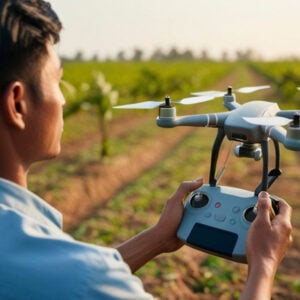
Training in climate-smart agriculture and sustainable farming practices has also improved productivity. Farmers have adopted soil conservation methods, water harvesting systems, and modern agricultural techniques that help maintain crop yields during periods of low rainfall. Many producers reported significantly higher harvests compared to previous years, improving household incomes and supporting school-related expenses for their families.
The delegation later visited St. Luke’s School for the Deaf, where meals prepared from locally sourced food are served to students. The school also maintains gardens and agricultural projects that provide vegetables and fruits for the kitchen while teaching students practical farming and sustainability skills. School officials explained that access to regular nutritious meals has improved attendance, retention, and overall student well-being.
For many learners, school meals provide the most dependable source of daily nutrition. School administrators noted that students are healthier and more motivated to continue attending classes because of the feeding programme. The agricultural projects at the school also prepare learners with practical knowledge they can apply within their communities after graduation.
The initiative is supported through cooperation between Kenya’s national and county governments, United Nations agencies, and international development partners. Organizations including Food and Agriculture Organization, International Fund for Agricultural Development, and World Food Programme are working alongside diplomatic missions and philanthropic foundations to strengthen food systems and improve school feeding infrastructure.
Development partners highlighted that the programme simultaneously supports agriculture, nutrition, education, and local economic development. By linking local food production directly with school meal systems, Kenya is creating a sustainable model that strengthens rural communities while investing in children’s health and education.