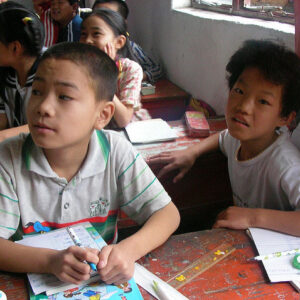
Around 850,000 Sudanese refugees are now living in Egypt after fleeing the ongoing conflict in Sudan, which has entered its fourth year. Many, like Nawal, a widow caring for six children, struggle to meet basic needs such as food and healthcare.
UNHCR provides support through registration, refugee status determination, protection services, health, education, psychological assistance, and cash aid for the most vulnerable families. However, this support is under severe strain due to funding shortages. The refugee population in Egypt has grown from 300,000 three years ago to over 1.1 million, while funding levels have remained stagnant.
As a result, the share of funding per refugee has dropped from $11 per month to just $4, forcing UNHCR to reduce assistance. Families like Nawal’s receive about 1,530 Egyptian pounds ($29) monthly, but this is insufficient to cover rent, food, education, and healthcare. Many children are unable to attend school, and mothers face difficult choices between feeding their families or ensuring education.
The cash assistance programme, which allows families to decide how best to use funds, has received only 2% of the required financing and is at risk of closure. This would disproportionately affect female‑headed households with school‑aged children, leaving them even more vulnerable.
Despite these challenges, UNHCR is working with partners, including the private sector, to provide training and job opportunities for refugees. Such initiatives open new possibilities for skills development and future livelihoods, offering hope that refugees may one day return home with greater resilience and opportunities for dignified reintegration.