The European Investment Bank (EIB) Group has approved €10 billion in new financing, including nearly €2 billion dedicated to strengthening Europe’s energy autonomy through expanded investments in clean energy, energy savings, and grid modernisation. The funding is aimed at accelerating Europe’s transition away from fossil fuels while improving energy affordability and industrial competitiveness.
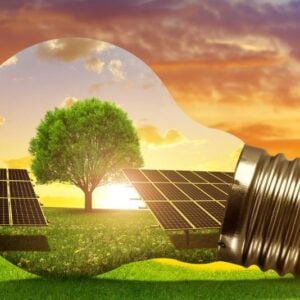
The clean energy component of the package supports key renewable energy projects across the European Union. This includes offshore wind development in Germany, solar energy expansion in Italy, and faster renewable adoption by businesses in Austria. It also funds energy efficiency upgrades in heating systems in Latvia and grid modernisation in the Netherlands to increase renewable capacity and support electric vehicle infrastructure.
EIB leadership highlighted that Europe’s energy strategy is being reshaped by ongoing geopolitical tensions, including Russia’s war in Ukraine and instability in the Middle East. The Bank emphasised the need to reduce dependence on fossil fuels and strengthen energy security through large-scale investment in renewables and infrastructure.
Alongside energy investments, the broader €10 billion package includes €8 billion in additional financing for urban development, transport infrastructure, and business competitiveness across Europe. This covers city regeneration projects in Belgium, road upgrades in Romania, and business investments in Bulgaria, Italy, and Spain, supporting regional growth and connectivity.
The European Investment Fund (EIF) also approved new financial instruments to improve access to capital for European businesses, particularly in technology and innovation sectors. These include guarantees and securitisation tools to support competitiveness and digitalisation, as well as equity investments in funds focused on defence, energy, and gender equality. The EIF also backed several TechEU initiatives aimed at scaling up financing for European innovators.
Beyond Europe, the EIB extended support to global development priorities, including financing for agricultural businesses in Benin and broadband expansion in Sub-Saharan Africa. These initiatives align with the EU’s Global Gateway strategy, reinforcing international partnerships while promoting sustainable development and connectivity worldwide.