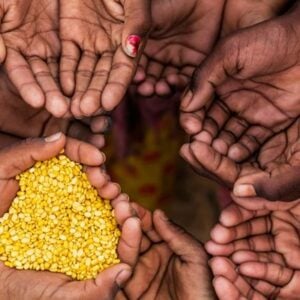
The United States Government has provided new funding to the United Nations World Food Programme (WFP) to strengthen its emergency response operations in Haiti, enabling the delivery of life-saving food assistance to at least 390,000 people over the next 18 months. The support comes at a critical time, as more than 5.9 million Haitians face acute food insecurity, placing over half the population at risk of hunger and malnutrition.
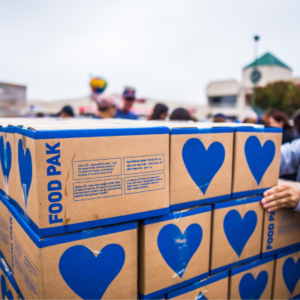
Through the U.S. Food for Peace programme, the contribution includes U.S.-origin rice, beans, and vegetable oil, which will be distributed in monthly rations to 227,500 people experiencing emergency levels of hunger as well as newly displaced families. The assistance is designed to ensure immediate access to essential nutrition for the most vulnerable households.
WFP will also use the funding to strengthen nutrition support by providing fortified cereals and specialised nutritious foods, alongside malnutrition screening and awareness sessions for families, particularly in displacement sites. These measures aim to prevent malnutrition among children and improve early detection of nutritional risks in high-need communities.
Given Haiti’s high exposure to extreme weather events, the support will also allow WFP to preposition 3,300 metric tonnes of food commodities as emergency reserves ahead of the 2026 hurricane season. This will help ensure rapid response capacity in the event of hurricanes, floods, or droughts, reducing delays in delivering critical food assistance.
In addition, the funding will expand WFP’s school meals programme to reach an additional 100,000 children during the 2026–27 school year, mainly in conflict-affected areas of Port-au-Prince. School feeding remains a vital safety net in Haiti, where for many children it represents the only reliable meal of the day.
WFP officials described the U.S. contribution as a vital lifeline that supports families facing displacement, loss of livelihoods, and rising food insecurity, while also reinforcing stability and hope in fragile communities. The agency currently supports more than 2.7 million people in Haiti and continues to work with the government and partners to deliver emergency food assistance, expand school feeding, and prevent child malnutrition across the country.