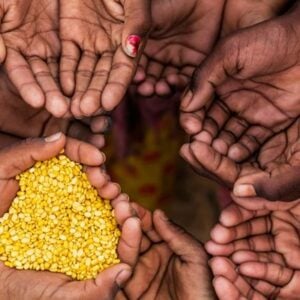
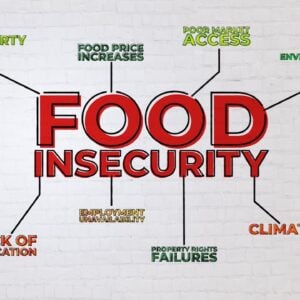
A new analysis from the Integrated Food Security Phase Classification (IPC), released with Save the Children, warns that more than 2.7 million children under the age of five in Pakistan are expected to suffer from acute malnutrition before September 2026. The findings highlight a worsening humanitarian situation in rural districts across three provinces that are still recovering from the devastating floods of 2025.
The report further estimates that around 706,000 of these children are likely to face severe acute malnutrition, the most dangerous form of hunger that requires urgent medical treatment. It also warns that 232,000 pregnant and breastfeeding women will need nutritional support during the same period, raising concerns about both maternal health and the long-term development of newborns.
According to the analysis, the crisis is being driven not only by food shortages but also by repeated illness among children, inadequate feeding practices in early childhood, and limited access to essential nutrition services. These combined factors are deepening the severity of malnutrition, with nearly two-thirds of the assessed districts reporting critical levels among children.
Many of the worst-affected areas were hit by deadly flooding in 2025, which killed over 1,000 people, including 283 children, with Khyber Pakhtunkhwa province recording the highest casualties. The floods have left lasting impacts on livelihoods, food security, and access to basic services, further increasing the vulnerability of children.
Save the Children’s Country Director in Pakistan, Khuram Gondal, described the situation as a “crisis of repeated shocks,” noting that children are facing severe risks due to lack of nutritious food, reduced household income, and disease outbreaks. He emphasized that malnutrition is preventable and warned that it continues to threaten children’s physical and cognitive development.
The organisation is calling for increased international funding and urgent humanitarian support to help children survive ongoing climate and economic shocks. Save the Children, which has worked in Pakistan since 1979, continues to provide emergency relief and long-term support in health, nutrition, education, and child protection, reaching millions of people affected by crises across the country.