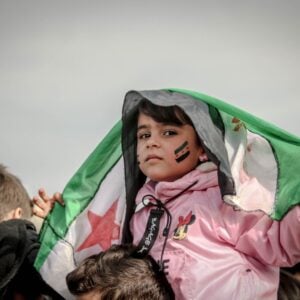
In Aleppo, northern Syria, Fatima, eight months pregnant and a mother of three, has been forced to flee her home due to intensifying conflict. Sheltering in a makeshift camp, she describes displacement as more than losing her home—it has meant losing privacy, safety, and reliable access to healthcare, particularly as a woman. The violence around Aleppo has affected tens of thousands of women and girls, disrupted essential services, and led to the closure of hospitals.
UNFPA, the UN’s sexual and reproductive health agency, and its partners have deployed mobile health teams to reach displaced populations with essential sexual and reproductive health services, hygiene kits, psychosocial support, and referrals to broader humanitarian aid. These services are critical as insecurity spreads to surrounding areas, including Ar-Raqqa and Deir-ez-Zor, while disruptions in transport and public services make accessing healthcare increasingly difficult.
The harsh winter has further intensified the suffering of displaced families, many of whom are sheltering in makeshift camps, unfinished buildings, and former schools. Mothers like Ruhan struggle to keep their children warm and safe while trying to access reproductive health services and hygiene support provided by UNFPA.
As of December 2025, more than 890,000 people were newly displaced in Syria due to intermittent violence, adding to nearly 7 million already internally displaced. Although some have returned to their communities, basic services remain damaged, overstretched, or barely functional. After 14 years of conflict, compounded by climate shocks and economic decline, Syria’s recovery remains fragile, with healthcare severely limited: just over half of hospitals and one-third of primary health centers are operational, leaving around 400,000 pregnant women without adequate maternity care.
Funding cuts threaten the closure of more than 100 UNFPA-supported service points in 2026, highlighting the urgent need for sustained international investment. UNFPA has appealed for US$45 million in 2026 to ensure continued delivery of life-saving health and protection services for women and girls across Syria, addressing the immense humanitarian needs and supporting recovery in the country’s most vulnerable communities.