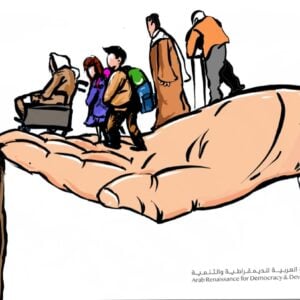
The International Organization for Migration (IOM) has raised alarm over a surge in displacement in eastern Yemen, where renewed insecurity is forcing families to flee their homes. Many of the newly displaced have arrived in Ma’rib Governorate, facing critical shortages of shelter, clean water, and essential services. The rapid influx is placing immense pressure on communities and humanitarian resources, leaving displaced families highly vulnerable.
New arrivals are often living in overcrowded shelters, makeshift structures, or with host communities already stretched thin. Ma’rib hosts some of Yemen’s largest displacement sites, including Al Jufainah Camp, where approximately 16,000 families lack adequate shelter and access to basic services. The situation is intensifying protection risks, particularly for women, children, older persons, and people with disabilities.
IOM Director General Amy Pope emphasized the urgency of the crisis, noting that families are fleeing with almost nothing and arriving exhausted, with immediate aid required to prevent further hardship. In response, IOM has provided emergency assistance to over 1,600 newly displaced families, offering shelter support, water and sanitation services, healthcare, and protection measures.
The organization is delivering lifesaving aid across Ma’rib City and Ma’rib Al Wadi, including emergency cash support and multi-purpose cash assistance referrals. IOM works in coordination with local authorities and humanitarian partners, with funding from the European Civil Protection and Humanitarian Aid (ECHO) and the German Federal Foreign Office (GFFO). However, shortages of shelter materials, non-food items, and rapid response supplies continue to constrain the scale of assistance.
Beyond immediate relief, IOM supports displaced families and host communities with ongoing shelter and non-food item distribution, primary health care, mental health and psychosocial support, and protection services, including psychological first aid and referrals for specialized care.
After more than 11 years of conflict, Yemen’s economy and public services remain severely strained. Currently, 19.5 million people require humanitarian assistance, including over 4.8 million internally displaced individuals, yet only about 25% of these needs are met. Many remain without access to critical services such as healthcare, shelter, water, sanitation, hygiene, cash assistance, and protection.
IOM continues to monitor displacement trends in Ma’rib and across Yemen, adapting its response to evolving needs. The organization urges donors and the international community to provide increased, flexible, and sustained funding to ensure lifesaving assistance reaches vulnerable families and prevent further deterioration of humanitarian conditions in Yemen.