• Skip to primary navigation
  • Skip to main content
  • Skip to primary sidebar

fundsforNGOs News

Grants and Resources for Sustainability

  • Subscribe for Free
  • Premium Support
  • Premium Login
  • Premium Sign up
  • Home
  • Funds for NGOs
    • Agriculture, Food and Nutrition
    • Animals and Wildlife
    • Arts and Culture
    • Children
    • Civil Society
    • Community Development
    • COVID
    • Democracy and Good Governance
    • Disability
    • Economic Development
    • Education
    • Employment and Labour
    • Environmental Conservation and Climate Change
    • Family Support
    • Healthcare
    • HIV and AIDS
    • Housing and Shelter
    • Humanitarian Relief
    • Human Rights
    • Human Service
    • Information Technology
    • LGBTQ
    • Livelihood Development
    • Media and Development
    • Narcotics, Drugs and Crime
    • Old Age Care
    • Peace and Conflict Resolution
    • Poverty Alleviation
    • Refugees, Migration and Asylum Seekers
    • Science and Technology
    • Sports and Development
    • Sustainable Development
    • Water, Sanitation and Hygiene (WASH)
    • Women and Gender
  • Funds for Companies
    • Accounts and Finance
    • Agriculture, Food and Nutrition
    • Artificial Intelligence
    • Education
    • Energy
    • Environment and Climate Change
    • Healthcare
    • Innovation
    • Manufacturing
    • Media
    • Research Activities
    • Startups and Early-Stage
    • Sustainable Development
    • Technology
    • Travel and Tourism
    • Women
    • Youth
  • Funds for Individuals
    • All Individuals
    • Artists
    • Disabled Persons
    • LGBTQ Persons
    • PhD Holders
    • Researchers
    • Scientists
    • Students
    • Women
    • Writers
    • Youths
  • Funds in Your Country
    • Funds in Australia
    • Funds in Bangladesh
    • Funds in Belgium
    • Funds in Canada
    • Funds in Switzerland
    • Funds in Cameroon
    • Funds in Germany
    • Funds in the United Kingdom
    • Funds in Ghana
    • Funds in India
    • Funds in Kenya
    • Funds in Lebanon
    • Funds in Malawi
    • Funds in Nigeria
    • Funds in the Netherlands
    • Funds in Tanzania
    • Funds in Uganda
    • Funds in the United States
    • Funds within the United States
      • Funds for US Nonprofits
      • Funds for US Individuals
      • Funds for US Businesses
      • Funds for US Institutions
    • Funds in South Africa
    • Funds in Zambia
    • Funds in Zimbabwe
  • Proposal Writing
    • How to write a Proposal
    • Sample Proposals
      • Agriculture
      • Business & Entrepreneurship
      • Children
      • Climate Change & Diversity
      • Community Development
      • Democracy and Good Governance
      • Disability
      • Disaster & Humanitarian Relief
      • Environment
      • Education
      • Healthcare
      • Housing & Shelter
      • Human Rights
      • Information Technology
      • Livelihood Development
      • Narcotics, Drugs & Crime
      • Nutrition & Food Security
      • Poverty Alleviation
      • Sustainable Develoment
      • Refugee & Asylum Seekers
      • Rural Development
      • Water, Sanitation and Hygiene (WASH)
      • Women and Gender
  • News
    • Q&A
  • Premium
    • Premium Log-in
    • Premium Webinars
    • Premium Support
  • Contact
    • Submit Your Grant
    • About us
    • FAQ
    • NGOs.AI
You are here: Home / cat / Can AI Turn the Tide? How Technology Is Fighting Forest Fires in Bhutan

Can AI Turn the Tide? How Technology Is Fighting Forest Fires in Bhutan

Dated: January 22, 2026

A forest fire that broke out near Sangaygang in Thimphu on January 2, 2026, served as a stark reminder that Bhutan’s fire season has begun. While this particular blaze was contained, many others burn for days despite the courageous efforts of firefighters working with limited resources. Recent years have seen increasingly frequent and intense forest fires, reinforcing the urgent need for greater vigilance and collective action to prevent further devastation.

Personal observations from recent years highlight the scale of the problem. In March 2025, multiple fires burned simultaneously around Thimphu and neighbouring districts, sending plumes of smoke across the mountains. Months later, in Haa district, the scars of those fires were still visible, with once-lush forested ridges left charred and lifeless. These scenes reflect a recurring and worsening reality rather than isolated incidents.

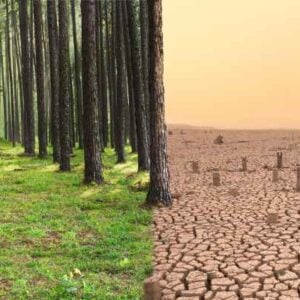
Forest fires have become an annual crisis in Bhutan, particularly during the dry winter and early spring months. Official reports indicate that in the first four months of 2025 alone, 25 forest fires were recorded, including seven in Thimphu. Between 2020 and 2024, more than 70,000 acres of forest were lost, accounting for about one per cent of Bhutan’s total forest cover. National assessments identify forest fires as a major threat to biodiversity, with climate change significantly amplifying their frequency and severity.

While coniferous forests are currently the most vulnerable, climate change is placing Bhutan’s biodiverse broad-leaved forests in subtropical regions under growing threat as well. National climate risk assessments warn that these globally significant ecosystems face increasing danger from rising temperatures and prolonged dry conditions. Forest fires also contribute an estimated five per cent of Bhutan’s total greenhouse gas emissions, undermining the country’s climate commitments and carbon-negative status.

The impacts of forest fires extend far beyond environmental damage. Economic losses are substantial, with timber losses alone valued at over Nu. 520 million between late 2024 and early 2025. Fires also threaten Bhutan’s constitutional mandate to maintain at least 60 per cent forest cover, disrupt watersheds, destroy biodiversity, and erode rural livelihoods that depend on forest resources for food, income, and resilience.

Bhutan’s current forest fire management system faces serious limitations. Rugged terrain, remote forests, and resource-intensive response efforts make firefighting extremely challenging. Thousands of firefighters spend hundreds of thousands of man-days battling fires each season, often without specialised equipment or advanced training. This reality underscores the need to move beyond reactive approaches toward more proactive and technology-driven solutions.

Artificial intelligence offers a potential turning point in how Bhutan manages forest fires. AI-driven systems can support early detection, risk forecasting, real-time monitoring, smarter deployment of firefighting resources, and post-fire assessment and recovery planning. By analysing satellite imagery, weather patterns, terrain, and human activity, AI can help authorities intervene earlier and respond more precisely, reducing damage and costs.

Experiences from other countries show that AI is already transforming wildfire management. From predictive modelling and sensor-based early detection to risk mapping and strategic resource allocation, these technologies are proving effective in preventing fires from escalating into disasters. Such examples demonstrate that AI is no longer experimental, but a practical tool with immediate benefits.

Technology alone, however, is not enough. Community-based forest management remains central to Bhutan’s fire prevention efforts. With better early-warning systems, training, and equipment, community forestry groups, rangers, armed forces, and volunteer responders can serve as a strong first line of defence. Public awareness is equally critical, as human activities remain a leading cause of forest fires.

Protecting Bhutan’s forests will require bold partnerships, sustained investment, and innovative approaches. By combining strong environmental leadership with climate-smart, AI-enabled solutions, Bhutan has an opportunity to safeguard its forests, protect livelihoods, and contribute to global climate stability. Preserving these forests is not only a national priority, but a shared responsibility with global implications.
Related Posts

  • Lessons from the Field: What GEF Latam Has Learned from Climate Investing
  • Canada & FCM Back 80 Municipalities to Strengthen Climate Resilience
  • Palau Advances Climate Mobility Planning with Regional Training for Government and Civil Society
  • From Crisis to Resilience: Global Case Studies on Climate Action, Peacebuilding and Security
  • Climate Action in the Sahel Linked to Rising Conflicts, New Research Reveals

Primary Sidebar

Latest News

Nepal Education Resilience: UNESCO and IIEP Strengthen Climate Data Systems

5 Lessons for Organisations Partnering to Empower Women Farmers

NBSCALE Project Insights: How Startups Grow into International Scaleups

360 Tons of Turkish Humanitarian Aid Delivered to Lebanon Amid Israeli Strikes

Cross-Border Emergency Planning Project Launched to Improve Crisis Response

Emergency EU Funding for Fisheries and Aquaculture Hit by Middle East Conflict

IDNR and NOAA Award $1M for Lake Michigan Shoreline Protection in Illinois

African Union Signs Grants with 13 Think Tanks for Africa Think Tank Platform

How Will £3 Million in Arts and Culture Funding Be Used?

UNIDO Joins ENACT Partnership to Scale Finance for Nature-Based Industrial Solutions

Western Balkans: New Deal to Improve Nature Protection Funding

Books Delivered by Horseback to Children in Vanuatu

Save the Children Warns of Severe Child Malnutrition in Pakistan

Ireland Launches 2026 Shared Island Civic Society Fund Round

New Grant Funding Boost for Charities and Social Enterprises

Burkina Faso: Rising Crackdown on Civil Society Groups

Advancing Gender Justice in the Crimes Against Humanity Convention

Global Human Rights: The Current State of the World

Haiti Hunger Alert: More Than 50% Facing Acute Food Insecurity

EIB Group and MCC Sign €400M Deal for Italian SMEs and Mid-Caps

Ethiopia Secures €110M EIB Funding for Agri Finance and Women-Led SMEs

EIB Global and Zemen Bank Unlock €40M for Ethiopian Agriculture

EIB Group Backs €2.4 Billion Energy and Deep Tech Innovation

European Union Launches Youth Agriculture Skills Programme

Quantum Economy Blueprint in Saudi Arabia: 5 Key Lessons

Empowering Indigenous Peoples: GEF’s Leadership Commitment

Uzbekistan Rangeland Restoration Backed by GEF Funding

5 Facts About Somalia’s Humanitarian Crisis Explained

Youth Empowerment Boosts Social Cohesion in Kyrgyzstan

$10.5 Million Boost to Strengthen Health Systems

Lessons from Ethiopia on Empowering Women and Reducing Hunger

UN Warns Development Goals at Risk as Global Financing Crisis Deepens

Gaza War Sets Development Back 77 Years, $71B Needed for Recovery

UN Forum Highlights Indigenous Healthcare Inequality and Rights

Global News: AI in Healthcare, DR Congo Aid Deal, Belarus Rights Concerns, Ukraine Children Impacted

Canada Summer Jobs 2026: Application Guide and Opportunities

How to Unlock Large-Scale SDG Financing

Protecting EU Health Investments in Heart Disease and Cancer Care

How Natural Farming is Changing Agriculture in Southern India

Peru Boosts Disability Inclusion in Public Sector with ILO Support

Funds for NGOs
Funds for Companies
Funds for Media
Funds for Individuals
Sample Proposals

Contact us
Submit a Grant
Advertise, Guest Posting & Backlinks
Fight Fraud against NGOs
About us

Terms of Use
Third-Party Links & Ads
Disclaimers
Copyright Policy
General
Privacy Policy

Premium Sign in
Premium Sign up
Premium Customer Support
Premium Terms of Service

©FUNDSFORNGOS LLC.   fundsforngos.org, fundsforngos.ai, and fundsforngospremium.com domains and their subdomains are the property of FUNDSFORNGOS, LLC 1018, 1060 Broadway, Albany, New York, NY 12204, United States.   Unless otherwise specified, this website is not affiliated with the abovementioned organizations. The material provided here is solely for informational purposes and without any warranty. Visitors are advised to use it at their discretion. Read the full disclaimer here. Privacy Policy. Cookie Policy.