United Nations agencies, experts and stakeholders gathered in Pristina to discuss climate risks facing Kosovo’s agricultural sector and identify strategies to strengthen climate resilience and rural livelihoods. The event was organized under the project “Promoting Rural Women’s Empowerment in Kosovo,” funded by the Austrian Development Agency and jointly implemented by the Food and Agriculture Organization (FAO) and UN Women. Discussions focused on a joint climate risk assessment report that examines current and future climate threats affecting agriculture in Kosovo.
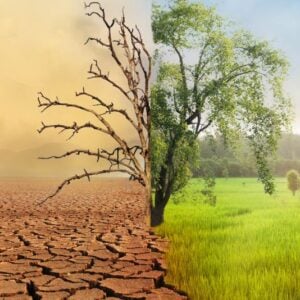
Agriculture in Kosovo is increasingly impacted by climate change, with farmers experiencing declining crop yields, livestock stress and damage to crops and infrastructure caused by more frequent and severe climate events. The event brought together representatives from government institutions, academia, civil society, international organizations and farming communities to explore how policies and practical measures can better respond to climate-related challenges.
Officials highlighted the importance of inclusive climate action that protects vulnerable groups, particularly rural women farmers. Representatives from the Austrian Development Agency emphasized that empowering women and addressing structural inequalities are essential for achieving effective and sustainable climate solutions. United Nations representatives also stressed the need for evidence-based policymaking to ensure that limited resources are directed toward the communities most affected by climate risks.
The discussions gained additional significance as 2026 has been declared the International Year of the Woman Farmer, recognizing the important role women play in agriculture and rural development. FAO representatives noted that cooperation among ministries, civil society, academic institutions and the private sector is necessary to successfully implement climate adaptation initiatives and strengthen Kosovo’s agricultural resilience.
Farmers shared firsthand experiences of how climate change is affecting their livelihoods. A beekeeper participating in the event explained that late spring frosts and extreme summer heat have reduced flowering, increased stress and diseases in bee colonies and lowered production levels. To adapt, farmers are introducing climate-smart practices, including supplementary feeding, closer monitoring and the use of more resilient plant species.
UN Women representatives emphasized that climate impacts are not experienced equally, as rural women often face additional barriers in accessing financial support, information and decision-making opportunities. They stressed the need for targeted policies, better access to finance and stronger participation of women in climate-related decision-making processes.
Participants concluded that the findings and recommendations of the climate risk assessment should guide future policy planning and practical support for farmers. They highlighted the importance of expanding advisory services, climate-smart technologies and targeted investments to help Kosovo’s agricultural sector better prepare for future climate shocks while ensuring that vulnerable communities and rural women are not left behind.