• Skip to primary navigation
  • Skip to main content
  • Skip to primary sidebar

fundsforNGOs News

Grants and Resources for Sustainability

  • Subscribe for Free
  • Premium Support
  • Premium Login
  • Premium Sign up
  • Home
  • Funds for NGOs
    • Agriculture, Food and Nutrition
    • Animals and Wildlife
    • Arts and Culture
    • Children
    • Civil Society
    • Community Development
    • COVID
    • Democracy and Good Governance
    • Disability
    • Economic Development
    • Education
    • Employment and Labour
    • Environmental Conservation and Climate Change
    • Family Support
    • Healthcare
    • HIV and AIDS
    • Housing and Shelter
    • Humanitarian Relief
    • Human Rights
    • Human Service
    • Information Technology
    • LGBTQ
    • Livelihood Development
    • Media and Development
    • Narcotics, Drugs and Crime
    • Old Age Care
    • Peace and Conflict Resolution
    • Poverty Alleviation
    • Refugees, Migration and Asylum Seekers
    • Science and Technology
    • Sports and Development
    • Sustainable Development
    • Water, Sanitation and Hygiene (WASH)
    • Women and Gender
  • Funds for Companies
    • Accounts and Finance
    • Agriculture, Food and Nutrition
    • Artificial Intelligence
    • Education
    • Energy
    • Environment and Climate Change
    • Healthcare
    • Innovation
    • Manufacturing
    • Media
    • Research Activities
    • Startups and Early-Stage
    • Sustainable Development
    • Technology
    • Travel and Tourism
    • Women
    • Youth
  • Funds for Individuals
    • All Individuals
    • Artists
    • Disabled Persons
    • LGBTQ Persons
    • PhD Holders
    • Researchers
    • Scientists
    • Students
    • Women
    • Writers
    • Youths
  • Funds in Your Country
    • Funds in Australia
    • Funds in Bangladesh
    • Funds in Belgium
    • Funds in Canada
    • Funds in Switzerland
    • Funds in Cameroon
    • Funds in Germany
    • Funds in the United Kingdom
    • Funds in Ghana
    • Funds in India
    • Funds in Kenya
    • Funds in Lebanon
    • Funds in Malawi
    • Funds in Nigeria
    • Funds in the Netherlands
    • Funds in Tanzania
    • Funds in Uganda
    • Funds in the United States
    • Funds within the United States
      • Funds for US Nonprofits
      • Funds for US Individuals
      • Funds for US Businesses
      • Funds for US Institutions
    • Funds in South Africa
    • Funds in Zambia
    • Funds in Zimbabwe
  • Proposal Writing
    • How to write a Proposal
    • Sample Proposals
      • Agriculture
      • Business & Entrepreneurship
      • Children
      • Climate Change & Diversity
      • Community Development
      • Democracy and Good Governance
      • Disability
      • Disaster & Humanitarian Relief
      • Environment
      • Education
      • Healthcare
      • Housing & Shelter
      • Human Rights
      • Information Technology
      • Livelihood Development
      • Narcotics, Drugs & Crime
      • Nutrition & Food Security
      • Poverty Alleviation
      • Sustainable Develoment
      • Refugee & Asylum Seekers
      • Rural Development
      • Water, Sanitation and Hygiene (WASH)
      • Women and Gender
  • News
    • Q&A
  • Premium
    • Premium Log-in
    • Premium Webinars
    • Premium Support
  • Contact
    • Submit Your Grant
    • About us
    • FAQ
    • NGOs.AI
You are here: Home / cat / Strengthening Smallholder Farmer Resilience: How ARAF Tackles Climate Change in Sub-Saharan Africa

Strengthening Smallholder Farmer Resilience: How ARAF Tackles Climate Change in Sub-Saharan Africa

Dated: November 14, 2025

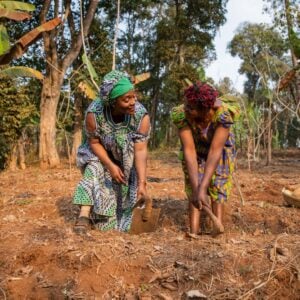
The Acumen Resilient Agriculture Fund (ARAF), financed by multiple partners and development finance institutions including Proparco through AFD Group’s FISEA+ facility, addresses food security and climate change by investing in start-ups that provide innovative solutions for smallholder farmers in East and West Africa. These farmers face severe disruptions due to climate change, such as intense floods followed by long droughts, which threaten crops and livelihoods, particularly affecting vulnerable groups like women and children. Smallholder farmers, who constitute over half of the region’s poor population and supply 80% of its food, are particularly exposed, making agriculture highly unstable and exacerbating food insecurity.

Launched in 2020 by Acumen Capital-Partners, a subsidiary of Acumen, ARAF invests in local start-ups to build an ecosystem that increases farmers’ incomes, enhances living conditions, and strengthens resilience to climate change. By diversifying crops, improving irrigation, and providing access to climate-resistant seeds and species, the fund helps farmers adapt to changing environmental conditions. Its portfolio, as of December 2024, included 13 start-ups operating across East and West Africa, targeting smallholder farmers, more than 30% of whom live below the poverty line. The fund has received $58 million from partners, with a $23 million contribution from the Green Climate Fund (GCF), including a first-loss guarantee facility and grant support for technical assistance to build climate resilience among investees.

ARAF’s initiatives have already impacted more than 2 million farmers in the region, with 90% reporting increased income and improved quality of life. For example, Kenyan farmer Josephine Waweru, who grows coffee in Kirinyaga County, now uses a solar-powered irrigation system from SunCulture, replacing an expensive gasoline system. This technology has allowed her to diversify crops and better manage climate-related risks. Similarly, Jamleck Gichovi Karuri, a farmer and livestock breeder, benefits from reliable solar-powered irrigation, enabling multiple crop cycles and improved livestock care.

Technological solutions are central to ARAF’s approach. SunCulture highlights that reduced rainfall and climate variability have led to Africa’s annual $35 billion food import bill, despite the continent having 65% of the world’s uncultivated arable land. Innovations focus on supporting smallholder farmers who are most vulnerable, ensuring sustainable food production and economic stability. Start-ups like Farmerline, FarmWorks, SunCulture, and East Africa Foods are implementing pragmatic, technology-driven solutions to strengthen climate resilience. FarmWorks, for instance, helps over 3,000 smallholders improve yields and soil health through a climate-resilient supply chain, while Farmerline provides inputs and training tailored to local farmers in Côte d’Ivoire and Ghana, addressing diverse climate risks including irregular rainfall, extreme heat, and flooding.

Access to water is a critical component of climate resilience. SunCulture operates across Kenya, Côte d’Ivoire, Ethiopia, Togo, and Uganda, using off-grid solar technology to provide irrigation, lighting, and mobile phone charging, significantly reducing reliance on rainwater and stabilizing yields. Through these interventions, ARAF supports not only climate adaptation but also food security, economic empowerment, and sustainable livelihoods for smallholder farmers, illustrating the transformative potential of climate-focused agricultural investments in Sub-Saharan Africa.
Related Posts

  • Women Farmers Drive Zambia’s Cassava Transformation with Climate-Smart Practices
  • Bill & Melinda Gates Foundation Announces Major Investment to Help Farmers Adapt to Extreme Weather
  • EIB Global Launches New Climate Fund with Germany and Luxembourg as Key Contributors
  • Green Climate Fund and ARAF: Funding Solutions for Climate Change Resilience
  • Ireland Launches €5 Million Pre-Construction Fund to Accelerate District Heating Projects

Primary Sidebar

Latest News

Middle East Conflict: Women and Girls Face Severe Health Risks

Severe Drought in Northern Kenya Escalates, IPC Report Shows

The Hidden Impact of Gender Equity NGO Closures

£1.5m Pride in Place Impact Fund: Ipswich Council Announces Plans

Driving Social Impact Through Private Investment

Promoting Civil Society: The Role of the UN Committee

Yemen: Authorities Accused of Using Excessive Force on Protesters

USA/Iran: Accountability Demanded for Deadly School Missile Strike

Meta Content Delays in Bangladesh May Fuel Real-World Harm

Strengthening Guinea-Bissau’s Cashew Value Chain via FAO Support

Ghana Strengthens Rotavirus Surveillance to Protect Vaccine Gains

Health Minister and WHO Visit Lakes and Warrap to Boost Services

EIB Invests €40 Million in Speedinvest to Boost African Tech Startups

Nearly 30 New Initiatives Preserve Central Asia’s Cultural Heritage

EU Pledges €458 Million in Humanitarian Aid for Middle East

Hildegarde Naughton Launches €100k Funding for Music Education

Major Funding Boost Aims to Divert Women from Crime

£50m Boost to Help Families with Rising Heating Oil Costs

UK Announces Urgent Aid Package to Support Lebanon

UK Unleashes £1.4bn to Protect Homes and Businesses from Floods

Rising Energy Costs Highlight Need for Renewables, Says UN

Middle East Conflict Fuels Rising Civilian Toll

Glimmer of Hope in Haiti as Gang Frontlines Shift

Breaking the Cycle of Addiction: Ontario’s Community Action

Kyrgyzstan Expands Healthcare Access for Communities

ILO Warns of Job Risks as Nepal Approaches LDC Graduation

ILO and Cuba Partner to Support Persons with Disabilities in Zambia

Air Quality in Uttar Pradesh to Improve Through World Bank Initiative

Boosting Competitiveness and Mining Sustainability in Peru

New Trade Finance Initiative Strengthens Angola’s Economy

INITIATE²: West Africa Boosts Outbreak Preparedness in Dakar

CSW70: Advancing Girls’ Education for Peace in Africa

Pandemic Fund: Strengthening Global Health Security

Uganda NGOs Face Uncertain Future Amid Funding Cuts, Tight Regulations, and Donor Exit

$80 Billion at Risk as Global TB Funding Declines, Study Reveals

NGOs Warn Lebanon on Brink of Humanitarian Crisis Amid Escalation and Mass Displacement

Syria Crisis After 15 Years: Humanitarian Needs Remain Critical Despite Political Change

Czech Government Moves to Tighten NGO Law Amid Transparency Debate and Opposition Criticism

Uganda Freezes NGO Bank Accounts as FIA Investigates Funding Sources and Financial Irregularities

NGO Empowers 60 Lagos Residents with Vocational Skills to Boost Livelihoods and Prevent Child Labour

Funds for NGOs
Funds for Companies
Funds for Media
Funds for Individuals
Sample Proposals

Contact us
Submit a Grant
Advertise, Guest Posting & Backlinks
Fight Fraud against NGOs
About us

Terms of Use
Third-Party Links & Ads
Disclaimers
Copyright Policy
General
Privacy Policy

Premium Sign in
Premium Sign up
Premium Customer Support
Premium Terms of Service

©FUNDSFORNGOS LLC.   fundsforngos.org, fundsforngos.ai, and fundsforngospremium.com domains and their subdomains are the property of FUNDSFORNGOS, LLC 1018, 1060 Broadway, Albany, New York, NY 12204, United States.   Unless otherwise specified, this website is not affiliated with the abovementioned organizations. The material provided here is solely for informational purposes and without any warranty. Visitors are advised to use it at their discretion. Read the full disclaimer here. Privacy Policy. Cookie Policy.