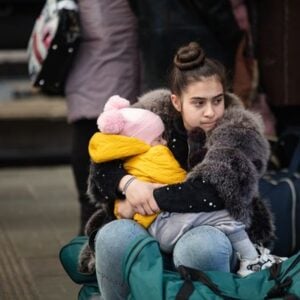
The United Nations Population Fund (UNFPA) has launched a new initiative in Moldova aimed at expanding access to education, protection services, and social support for parents, women, and girls.
The “Safe Spaces for Everyone” programme was created to address barriers faced by women and families, including limited access to learning opportunities, economic participation, and essential support services.
In Moldova, many women continue to experience challenges linked to unequal caregiving responsibilities, which can prevent parents from joining education and skills development programmes. At the same time, Chisinau is supporting a large refugee population from Ukraine, including women and girls who need protection, psychosocial assistance, and opportunities for inclusion.
The new initiative combines two services designed to meet these needs. A Child-Friendly Space allows parents to participate in adult education and personal development programmes while their children receive safe care and learning activities.
The service is available for children aged 0 to 10 and aims to remove childcare barriers that often prevent parents, especially women, from accessing education and professional opportunities.
The programme also includes a Safe Space for Women and Girls focused on preventing and responding to gender-based violence. The centre provides counselling, information sessions, referrals to specialized services, and support for women affected by violence, displacement, or social and economic difficulties.
The initiative marks an important step for Chisinau, as the Safe Space for Women and Girls becomes the first centre of its kind to transition into a municipal institution. This move is expected to strengthen local capacity and ensure long-term continuation of support services.
UNFPA said the transition from a UN-managed model to local administration will help integrate gender-based violence prevention and response services into public protection systems.
Through the programme, UNFPA and its partners are promoting a model that combines education, safety, and social inclusion to strengthen communities and create greater opportunities for women.
The initiative is implemented with support from local authorities and partner organizations, with funding from the European Union and the Government of the United Kingdom.