The European Union is expanding support for Moldova’s healthcare sector with an additional €10 million investment grant to modernise hospitals and improve energy efficiency. The grant will be managed by EIB Global, the development arm of the European Investment Bank, through the EU’s Neighbourhood Investment Platform.
The new financing will support renovation works in selected hospitals across Moldova. The goal is to reduce energy consumption, lower operating costs and improve conditions for both patients and healthcare professionals.
The grant complements the wider Moldova Energy Efficiency Project, bringing total investment in the upgrade of 10 public hospitals to €72.4 million. The project is financed by the European Union, the European Investment Bank and the European Bank for Reconstruction and Development.
The overall programme is expected to benefit more than 1 million patients and over 10,000 healthcare professionals every year. By improving the energy performance of hospital buildings, the project is also expected to reduce energy consumption by around 40 percent.
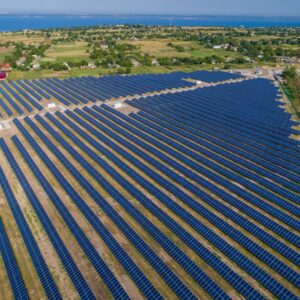
Approximately 203,000 square metres of hospital space will be renovated nationwide by July 2028. Planned works include thermal insulation, replacement of windows and doors, upgrades to heating, ventilation and air-conditioning systems, energy-efficient lighting and the installation of photovoltaic panels.
The project will also improve accessibility and fire safety in healthcare facilities. These upgrades are expected to create safer, more comfortable and more reliable hospital environments for patients, doctors, nurses and other medical staff.
Moldova’s Prime Minister Alexandru Munteanu said the investment shows how European support can bring direct improvements to people’s lives. He emphasized that modern hospitals using less energy can redirect more resources toward patient care and improve quality of life in communities.
Energy Minister Dorin Junghietu noted that buildings are among Moldova’s major energy consumers. Improving energy efficiency in public buildings is therefore one of the fastest ways to reduce energy use, cut bills and strengthen the country’s energy security.
EU Ambassador to Moldova Iwona Piórko said the investment reflects the European Union’s commitment to Moldova’s sustainable development and its transition toward a greener and more resilient future. More efficient healthcare facilities are expected to support better care, lower costs and improved working conditions.
EIB Vice-President Karl Nehammer highlighted that healthcare quality depends not only on medical professionals and treatment, but also on the buildings where care is delivered. Reliable heating, good ventilation and comfortable hospital conditions can make a significant difference for patients and staff.
Overall, the additional €10 million EU grant strengthens Moldova’s efforts to modernise public healthcare infrastructure while advancing energy efficiency and climate resilience. The project is expected to improve hospital services, reduce energy costs and support Moldova’s long-term development and energy security goals.