The European Investment Bank has committed €20 million to green bonds issued by Latvenergo, Latvia’s state-owned energy company. The investment supports Latvenergo’s latest bond issuance under its European Green Bond framework and will help finance renewable energy and sustainable infrastructure projects in Latvia.
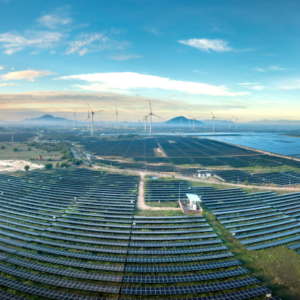
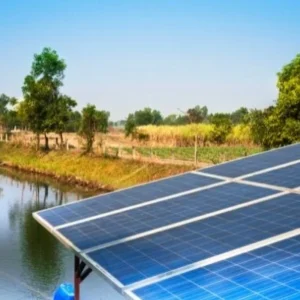
The financing will support investments in renewable energy generation, electricity networks, energy storage, and clean transport. Planned areas include onshore wind, battery energy storage systems, hydropower refurbishment, and solar photovoltaic installations, all of which are expected to support Latvia’s transition toward a cleaner and more secure energy system.
The EIB’s investment forms part of a €300 million seven-year bond issued under Latvenergo’s Euro Medium Term Note programme. The bond is aligned with the European Green Bond Standard, which is intended to ensure transparency, environmental credibility, and investor confidence.
The operation reinforces the EIB’s commitment to advancing green finance and developing capital markets in the Baltic region. By acting as an anchor investor, the EIB aims to mobilize additional private capital, diversify Latvenergo’s investor base, and expand access to sustainable financing.
EIB Vice-President Karl Nehammer said the investment will help accelerate the clean energy transition in Latvia and across the Baltics. He noted that the operation demonstrates how capital markets can support large-scale renewable energy investment and strengthen Europe’s energy security.
Latvenergo said its long-standing partnership with the EIB reflects a shared commitment to advancing the Baltic energy transition, maintaining high sustainability standards, and supporting the company’s long-term growth strategy. The company also emphasized its ambition to strengthen its position as a sustainable energy leader in the region.
The investment is expected to contribute to the development of the green bond market in the Baltics while supporting the wider use of the European Green Bond Standard. It also reflects the EIB’s role as the European Union’s climate bank by promoting energy security, reducing reliance on fossil fuels, and supporting climate neutrality in Latvia and the wider Baltic region.