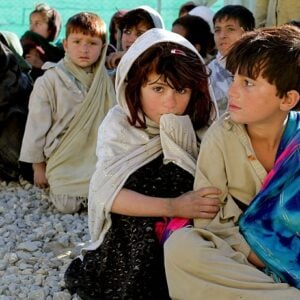
The Government of Pakistan has announced a three-year extension of the Benazir Nashonuma Programme, strengthening its partnership with the Benazir Income Support Programme (BISP), World Food Programme (WFP), UNICEF, and the World Health Organization (WHO). The renewed initiative aims to protect an additional 3.3 million pregnant women, breastfeeding mothers, and children under two from malnutrition across the country.
Since its launch in 2020, the programme has reached 4.7 million beneficiaries through a nationwide network of 578 facilitation centres and 224 nutrition stabilization centres. With the latest extension, the programme is expected to support a total of 8 million people by providing essential nutrition and health services.
The Benazir Nashonuma Programme has delivered encouraging outcomes, with participating children found to be 22% less likely to experience stunting by six months of age. The initiative has also improved maternal nutrition, increased access to antenatal care, promoted healthier pregnancy weight gain, and contributed to better birth outcomes.
Pakistan continues to face a significant nutrition challenge, with around 40% of children under five affected by stunting and 17.7% experiencing wasting, making long-term nutrition interventions a national priority. Through this renewed collaboration, the Government of Pakistan and its UN partners will continue expanding access to nutrition and healthcare services while strengthening the country’s social protection system.
The extension of the Benazir Nashonuma Programme represents an important step toward reducing child malnutrition and improving maternal health nationwide. By combining social protection with evidence-based nutrition and healthcare services, the initiative aims to create healthier futures for millions of women and children across Pakistan.