The European Union has announced a major €25 billion initiative aimed at transforming the Mediterranean region into a leading hub for renewable energy and clean technology development, strengthening energy security while accelerating the global shift toward low-carbon economies.
Unveiled under the Trans-Mediterranean Renewable Energy and Clean Tech Cooperation (T-MED) program, the initiative is designed to mobilize investment by 2035 across solar, wind, hydrogen, and clean technology projects. The plan forms part of the broader Pact for the Mediterranean and seeks to deepen energy cooperation between Europe and its southern partner countries.
The European Commission will support the program with more than €5 billion in guarantees through the European Fund for Sustainable Development Plus, with the aim of attracting substantial additional private and public investment. Officials say the initiative is expected to reduce exposure to fossil fuel price volatility while expanding clean energy infrastructure across the region.
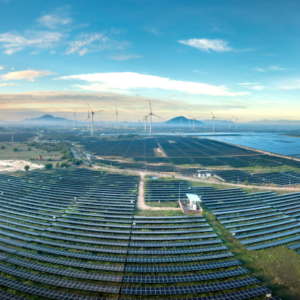
A central goal of the program is to develop approximately 15 gigawatts of new renewable energy capacity, alongside the creation of more than 100,000 jobs in related industries. The initiative will support large-scale solar and wind energy projects, hydrogen production through electrolysis, and modernization of cross-border electricity grids.
The framework is structured around five key pillars that include investment mobilization, regulatory reform, infrastructure development, workforce training, and the expansion of clean technology manufacturing. Together, these components are intended to create a more integrated regional energy market and improve long-term energy resilience.
The Middle East and North Africa region plays a key role in the strategy due to its significant renewable energy potential, particularly in solar and wind resources. Despite this advantage, many countries in the region remain heavily reliant on hydrocarbons, exposing them to global market fluctuations and energy security risks.
European officials argue that closer energy cooperation can help address these vulnerabilities while supporting decarbonization efforts and industrial development on both sides of the Mediterranean. The initiative also aims to strengthen academic partnerships and workforce training in engineering, digital technologies, and green finance to support long-term sector growth.
However, analysts note that large-scale energy transition projects of this nature face challenges, particularly in attracting sustained private investment and implementing necessary regulatory reforms across multiple jurisdictions. Past initiatives have shown that political and financial coordination remains critical to achieving long-term success.
The next phase of the program will include launching investment calls, establishing a dedicated implementation platform, and initiating early industrial partnerships in the coming years. If successful, the T-MED initiative could reshape regional energy dynamics and position the Mediterranean as a major global center for clean energy production and trade.