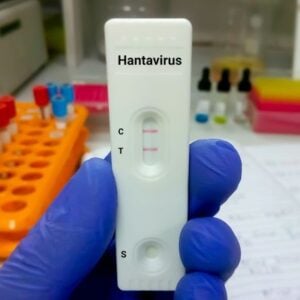
Scientists have reported promising results from an experimental mRNA vaccine that could become a major breakthrough in protecting against Andes hantavirus, a rare but deadly virus with the ability to spread between people.
A study published in The Lancet found that a single dose of the vaccine completely protected animals from severe Andes virus infection. Researchers from the University of Texas Medical Branch (UTMB) said vaccinated animals remained healthy after exposure, with no signs of disease or detectable virus in their tissues.
Andes virus is one of the most concerning hantaviruses because it can transmit from person to person through respiratory secretions. Most hantaviruses spread through contact with infected rodents, but Andes virus has caused previous outbreaks linked to human transmission.
Recent outbreaks have highlighted the global risk posed by the virus, especially because there is currently no approved vaccine or specific treatment for Andes hantavirus. Existing inactivated hantavirus vaccines are used in some countries, but they do not provide protection against Andes virus.
The experimental vaccine uses mRNA technology, similar to the approach used in several COVID-19 vaccines. It works by giving cells genetic instructions to produce harmless parts of the virus, allowing the immune system to learn how to recognise and fight future infections.
In the study, researchers tested the vaccine in hamsters, an animal model that closely reflects the severe lung disease caused by Andes virus in humans. While most unvaccinated animals died after infection, all vaccinated animals survived without developing symptoms.
The research also showed that the vaccine remained effective even at very low doses. This could be important during future outbreaks, as lower-dose vaccines may allow limited supplies to protect more people.
Although more research and human trials are needed before the vaccine could become available, scientists believe the findings provide a strong foundation for developing a future defence against hantavirus outbreaks.