You are here: Home/cat/ Tanzania Reduces EV Import Duties and Expands Natural Gas Tax Breaks
Tanzania Reduces EV Import Duties and Expands Natural Gas Tax Breaks
The Government of Tanzania has announced a series of tax incentives in its 2026/2027 national budget aimed at accelerating the country’s transition toward cleaner energy sources. The measures focus on encouraging the adoption of electric vehicles (EVs), expanding the use of natural gas, and reducing dependence on imported petroleum products. The announcement was made by Finance Minister Khamis Mussa Omar during the presentation of the national budget to Parliament in Dodoma.
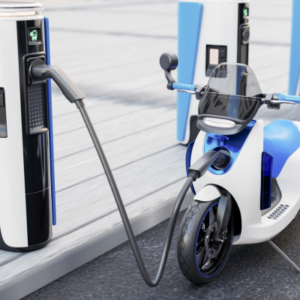
A key component of the new policy package is the reduction of import duties on electric vehicles from 25% to 10%. In addition, imported EV charging equipment will be exempt from value-added tax (VAT), making electric mobility more affordable for consumers and businesses. The government has also removed VAT on equipment used to convert conventional gasoline and diesel vehicles to operate on natural gas or electricity.
The budget further extends tax incentives across the compressed natural gas (CNG) value chain, supporting wider adoption of cleaner fuel alternatives. These measures build upon earlier reforms introduced in the previous fiscal year, which included VAT exemptions for natural gas supplied to distribution stations, cooking gas cylinders, and carbon capture technologies.
To reinforce the transition, the government has directed all public institutions to prioritize the procurement of electric and gas-powered vehicles. The policy aims to lower government spending associated with imported fuel and improve long-term energy security. Officials believe the shift will help reduce exposure to volatile global oil prices while promoting sustainable transportation solutions.
The urgency of these reforms has increased due to rising fuel costs linked to global supply disruptions. Since the closure of the Strait of Hormuz in early 2026, fuel prices have risen significantly, forcing Tanzania to provide subsidies on diesel fuel. These growing fiscal pressures have strengthened the government’s commitment to reducing reliance on imported petroleum products.
Industry stakeholders have welcomed the new measures, noting that high import taxes were previously one of the biggest barriers to electric vehicle adoption. The incentives are expected to encourage greater investment in clean transportation infrastructure and stimulate demand for EVs across the country.
Tanzania’s proposed 2026/2027 budget totals approximately $24 billion, with a significant allocation dedicated to energy-transition initiatives and measures designed to improve efficiency, reduce operating costs, and support the country’s long-term sustainability goals.