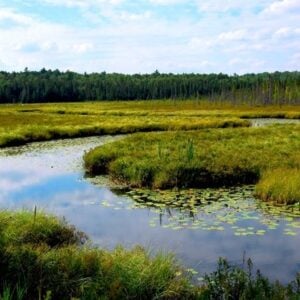
The UK Government has announced a £30 million investment to restore and create wildlife-rich habitats across England’s most valued natural landscapes, marking a major step toward its goal of protecting 30% of land for nature by 2030.
The funding, introduced under the new Wildlife-Rich Habitat Fund, will support large-scale nature restoration projects across National Parks, National Landscapes, and the Broads over the next three years. The initiative aims to reverse biodiversity loss by improving habitats for threatened species such as hedgehogs, water voles, hazel dormice, and declining bird populations including curlews and turtle doves.
Officials say habitat degradation remains one of the primary drivers of species decline, and the new programme will help restore thousands of hectares of land across England. Projects will include peatland restoration, wetland recovery, and the creation of native woodlands, helping to rebuild ecosystems that have deteriorated over time.
One example highlighted under the programme is work in the Peak District, where more than 80 hectares of upland moorland at Gun Moor is being restored. The project includes re-wetting peat soils, reviving wet heath areas, and establishing new woodland to support biodiversity recovery and climate resilience.
Nature Minister Mary Creagh described the initiative as part of a broader effort to bring nature back into England’s most cherished landscapes, emphasizing that increased investment will help reverse wildlife decline and restore natural ecosystems. She said the programme supports the government’s wider “Wild Again” strategy aimed at improving biodiversity and expanding natural habitats across the country.
Environmental leaders and conservation groups have welcomed the funding, noting that protected landscapes play a critical role in supporting biodiversity and connecting communities with nature. The Wildlife Trusts highlighted the importance of long-term investment to reverse habitat loss and strengthen ecological resilience, while farming organizations emphasized the role of land managers in delivering effective nature restoration.
The fund will be delivered through existing conservation programmes in collaboration with farmers, landowners, and local communities. It is designed to align with local nature recovery strategies and protected landscape management plans, ensuring projects are tailored to regional ecological needs.
As part of the UK’s broader environmental commitments, the initiative supports legal targets under the Environment Act and contributes to international goals to protect and restore natural ecosystems. Officials say the programme represents a significant step toward long-term habitat restoration, biodiversity protection, and climate resilience across England’s most iconic landscapes.