The Director-General of the Food and Agriculture Organization (FAO), Qu Dongyu, warned that the closure of key maritime routes, particularly the Strait of Hormuz, is severely disrupting global energy supplies, fertilizer flows, and agricultural inputs, with wide-ranging implications for food security. He stressed that peace and stability are essential for ensuring the right to food, which is a fundamental human right.
The Strait of Hormuz, a critical global trade corridor that normally handles about a quarter of the world’s seaborne oil along with large volumes of gas and fertilizers, has seen a collapse in ship traffic of nearly 95% since late February. This disruption has delayed millions of tonnes of fertilizer shipments and led to significant price increases in global markets.
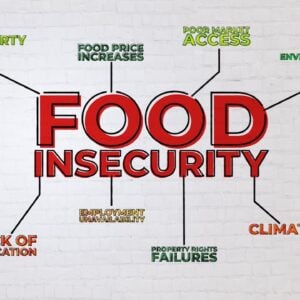
FAO highlighted that the ongoing crisis is affecting agricultural planning, particularly due to fertilizer delays that could cause irreversible losses in crop production. Rising food prices are also reducing farmers’ income and increasing hunger risks, especially in countries that depend heavily on food imports.
Countries such as Lebanon and Yemen are among the most vulnerable, with hundreds of thousands of people already facing acute food insecurity. The situation is further straining fragile humanitarian conditions across the region.
Alongside the economic and food security impacts, the United Nations continues diplomatic efforts to de-escalate the crisis. The UN Secretary-General’s Personal Envoy has engaged with several regional governments and remains involved in supporting initiatives aimed at achieving a comprehensive settlement through ongoing diplomatic channels.
At the same time, humanitarian concerns are deepening in Gaza, the West Bank, and East Jerusalem. UN officials reported worsening conditions, including ongoing violence, displacement, infrastructure damage, and severe restrictions on humanitarian access, with Gaza’s health system operating at critically low capacity.
In Lebanon, conditions remain unstable despite a ceasefire, with large numbers of displaced people still in shelters and healthcare systems under strain due to hospital closures and repeated attacks on medical facilities. Humanitarian access continues to be limited by security and infrastructure challenges.
Beyond the region, the crisis is disrupting global supply chains, forcing countries to increasingly rely on land transport routes as maritime trade becomes constrained. Regional coordination efforts are underway to manage alternative transport corridors for essential goods such as food and medicines.
Overall, the situation highlights how regional instability is affecting global trade, food systems, and humanitarian operations, with wide-ranging impacts that extend far beyond the immediate conflict zones.