The European Commission has announced €235 million in humanitarian assistance to support vulnerable populations across West and Central Africa, where ongoing conflicts, food insecurity, displacement, and climate-related shocks continue to drive urgent humanitarian needs. The funding will target displaced people, host communities, and hard-to-reach populations across multiple crisis-hit countries in the region.
A significant share of the funding will be directed to the Central Sahel, where €75 million will support emergency relief for more than 12.4 million people in need. Assistance will focus on food security, healthcare, nutrition, education in emergencies, shelter, water and sanitation, and protection services, alongside disaster preparedness and logistics support for humanitarian operations in highly insecure areas.
In Cameroon, over €16.6 million will address the needs of nearly 3 million people, including 2.2 million forcibly displaced individuals, through support for food aid, health and nutrition services, education, shelter, and water and sanitation systems. The Central African Republic will receive €22 million for multi-sectoral assistance, including livelihoods, protection, and emergency services, with additional support linked to the Sudan crisis and refugee inflows.
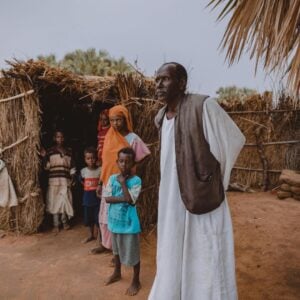
Chad will receive more than €72 million, one of the largest allocations, to respond to massive refugee arrivals and internal displacement, particularly in eastern and lake regions. The funding will provide essential services such as food, shelter, protection, and water and sanitation, supporting both displaced populations and host communities strained by large-scale inflows from Sudan.
In Mauritania, €4.8 million will support emergency aid for refugees, returnees, and vulnerable communities, while Nigeria will receive €33 million to address severe food insecurity and malnutrition in the north-east and north-west, where millions are affected by acute hunger and lack of essential services. Additional funding will also support coastal countries including Benin, Côte d’Ivoire, Ghana, and Togo, where insecurity has led to rising displacement, alongside a further €6.4 million for regional response efforts.
EU officials emphasized that the region is facing overlapping humanitarian crises driven by conflict, poverty, instability, and climate change, with displacement and food insecurity reaching critical levels. The Commission reaffirmed its commitment to remain a key humanitarian partner in the region, aiming to save lives, reduce suffering, and support basic dignity through essential services such as food, water, shelter, healthcare, and education in emergencies.