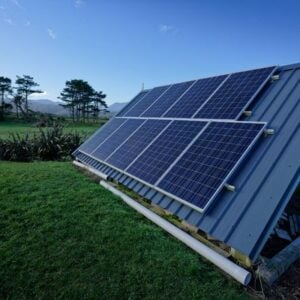
Renewable energy is increasingly being recognized as a key driver of energy security, offering countries a stable, domestically produced alternative to fossil fuels. Unlike oil and gas, which are subject to price volatility and geopolitical risks, renewables help reduce emissions, enhance long-term economic stability, and strengthen national energy independence. The second part of this series examines how different countries are accelerating their transition toward cleaner energy systems.
UN Secretary-General António Guterres has emphasized that the fastest route to achieving energy, economic, and national security lies in speeding up a just transition away from fossil fuels toward renewable energy. This global shift is already visible across both developed and developing economies, though the pace and challenges vary significantly by country.
Germany provides a leading example of large-scale energy transition, with renewables now accounting for around 55% of electricity consumption. Wind energy plays the dominant role, supported by solar, biomass, and hydropower. The country’s transition has helped reduce dependence on imported fossil fuels and protect consumers from global price shocks. However, managing grid stability and ensuring consistent energy supply during periods of low wind remains a key challenge, making storage expansion and grid modernization essential.
India, the world’s most populous country and a rapidly growing economy, is scaling up renewable energy to meet rising demand while reducing reliance on coal. Renewables currently represent about 30% of installed capacity, with strong growth in solar and wind power. Despite this progress, coal still dominates electricity generation. India’s transition is driven by large solar parks, rooftop solar expansion, wind projects, and emerging green hydrogen initiatives, alongside efforts to improve rural energy access through solar-powered programs.
In Bolivia, the energy system remains heavily dependent on natural gas, but the country is gradually diversifying through hydropower, solar, and wind development. Renewables account for roughly 30–35% of electricity generation, with hydropower as the main source. While progress is being made, structural dependence on gas revenues and limited access to financing continue to slow the pace of transition. Nevertheless, rural solar projects and national renewable energy roadmaps are supporting gradual change.
Nigeria, Africa’s largest economy, holds significant renewable energy potential but continues to rely heavily on fossil fuels, particularly gas and diesel generators. Renewables currently provide around 20–25% of electricity, mainly from hydropower, with solar energy still underdeveloped but growing. The country aims to reach 50% renewable electricity by 2030, though this will require major investments in grid infrastructure, expanded access to financing, and reduced dependence on fossil fuel-based power systems. Off-grid solar and mini-grid solutions are already improving electricity access in rural areas.
Across these diverse countries, a common trend is emerging: renewable energy is strengthening energy security, reducing exposure to volatile fossil fuel markets, and delivering broader economic and social benefits. However, significant challenges remain, including infrastructure gaps, financing constraints, and the need to ensure reliable energy supply while scaling up clean energy systems.