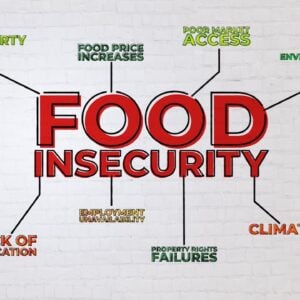
Madagascar’s current crisis is the result of multiple overlapping shocks rather than a single event. The country is among the most climate-vulnerable in the world, despite contributing minimally to global emissions. Since 2020, repeated droughts intensified by El Niño, back-to-back cyclones, flooding, locust infestations, and worsening soil and water degradation have severely disrupted agriculture, which most people depend on for survival. These climate impacts have directly undermined food production and livelihoods, especially in the southern and south-eastern regions.
This environmental stress is compounded by deep structural vulnerabilities. Around three-quarters of the population lives in poverty, while infrastructure such as roads, irrigation systems, electricity, and water services remains extremely limited. Health and education systems are also fragile, particularly in rural areas. As a result, even a single failed harvest can push households into crisis, and repeated shocks leave communities without time or resources to recover.
The crisis has also created a severe public health burden. Climate-related disruptions have contributed to widespread acute malnutrition affecting hundreds of thousands of children, alongside outbreaks of malaria and diarrhoeal diseases driven by floods and poor access to clean water. These health challenges reinforce food insecurity, creating a cycle of malnutrition and illness that is difficult to break.
Madagascar’s vulnerability is further shaped by its broader development context. As a Least Developed Country with low income levels and limited fiscal capacity, it faces persistent constraints in expanding services and strengthening resilience. Although not in active armed conflict, recent political instability following a 2025 military-backed transition has added uncertainty, weakening institutions and complicating recovery efforts.
In response, the United Nations is focusing on both emergency relief and long-term resilience building. Humanitarian agencies are providing food assistance, treating malnutrition, delivering clean water, and supporting education and health services for affected populations. At the same time, development programmes are working to strengthen climate-resilient agriculture, improve disaster preparedness, and support governance and early-warning systems. Together, these efforts aim to reduce immediate suffering while helping Madagascar break the cycle in which recurring climate shocks repeatedly escalate into national crises.