• Skip to primary navigation
  • Skip to main content
  • Skip to primary sidebar

fundsforNGOs News

Grants and Resources for Sustainability

  • Subscribe for Free
  • Premium Support
  • Premium Login
  • Premium Sign up
  • Home
  • Funds for NGOs
    • Agriculture, Food and Nutrition
    • Animals and Wildlife
    • Arts and Culture
    • Children
    • Civil Society
    • Community Development
    • COVID
    • Democracy and Good Governance
    • Disability
    • Economic Development
    • Education
    • Employment and Labour
    • Environmental Conservation and Climate Change
    • Family Support
    • Healthcare
    • HIV and AIDS
    • Housing and Shelter
    • Humanitarian Relief
    • Human Rights
    • Human Service
    • Information Technology
    • LGBTQ
    • Livelihood Development
    • Media and Development
    • Narcotics, Drugs and Crime
    • Old Age Care
    • Peace and Conflict Resolution
    • Poverty Alleviation
    • Refugees, Migration and Asylum Seekers
    • Science and Technology
    • Sports and Development
    • Sustainable Development
    • Water, Sanitation and Hygiene (WASH)
    • Women and Gender
  • Funds for Companies
    • Accounts and Finance
    • Agriculture, Food and Nutrition
    • Artificial Intelligence
    • Education
    • Energy
    • Environment and Climate Change
    • Healthcare
    • Innovation
    • Manufacturing
    • Media
    • Research Activities
    • Startups and Early-Stage
    • Sustainable Development
    • Technology
    • Travel and Tourism
    • Women
    • Youth
  • Funds for Individuals
    • All Individuals
    • Artists
    • Disabled Persons
    • LGBTQ Persons
    • PhD Holders
    • Researchers
    • Scientists
    • Students
    • Women
    • Writers
    • Youths
  • Funds in Your Country
    • Funds in Australia
    • Funds in Bangladesh
    • Funds in Belgium
    • Funds in Canada
    • Funds in Switzerland
    • Funds in Cameroon
    • Funds in Germany
    • Funds in the United Kingdom
    • Funds in Ghana
    • Funds in India
    • Funds in Kenya
    • Funds in Lebanon
    • Funds in Malawi
    • Funds in Nigeria
    • Funds in the Netherlands
    • Funds in Tanzania
    • Funds in Uganda
    • Funds in the United States
    • Funds within the United States
      • Funds for US Nonprofits
      • Funds for US Individuals
      • Funds for US Businesses
      • Funds for US Institutions
    • Funds in South Africa
    • Funds in Zambia
    • Funds in Zimbabwe
  • Proposal Writing
    • How to write a Proposal
    • Sample Proposals
      • Agriculture
      • Business & Entrepreneurship
      • Children
      • Climate Change & Diversity
      • Community Development
      • Democracy and Good Governance
      • Disability
      • Disaster & Humanitarian Relief
      • Environment
      • Education
      • Healthcare
      • Housing & Shelter
      • Human Rights
      • Information Technology
      • Livelihood Development
      • Narcotics, Drugs & Crime
      • Nutrition & Food Security
      • Poverty Alleviation
      • Sustainable Develoment
      • Refugee & Asylum Seekers
      • Rural Development
      • Water, Sanitation and Hygiene (WASH)
      • Women and Gender
  • News
    • Q&A
  • Premium
    • Premium Log-in
    • Premium Webinars
    • Premium Support
  • Contact
    • Submit Your Grant
    • About us
    • FAQ
    • NGOs.AI
You are here: Home / cat / 5 Facts About Somalia’s Humanitarian Crisis Explained

5 Facts About Somalia’s Humanitarian Crisis Explained

Dated: April 21, 2026

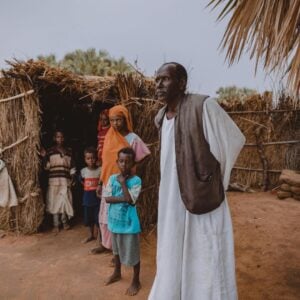
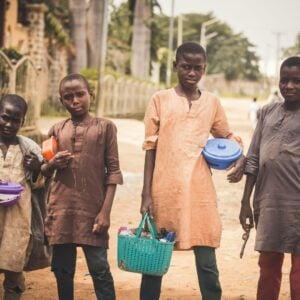
Somalia is currently facing a severe humanitarian crisis driven by a combination of prolonged drought, armed conflict, widespread displacement, and recurring disease outbreaks. These challenges are being intensified by a sharp decline in international humanitarian funding, which has significantly reduced the capacity to respond at a time when needs are rapidly increasing.

The country’s worsening drought conditions have destroyed livelihoods across regions such as Puntland and Southwest State. Consecutive failed rainy seasons and rising temperatures have dried up water sources, forcing families to rely on expensive trucked water. The loss of livestock and agricultural production has further undermined incomes, pushing thousands of people to leave their homes and move toward overcrowded displacement camps in search of basic necessities like food, water, and healthcare.

Food insecurity has reached critical levels, with millions of Somalis affected by hunger and malnutrition. In 2024 alone, medical teams treated over 18,000 children for severe acute malnutrition, reflecting a sharp rise compared to previous years. Millions more remain at risk, including a large number of children under five, while widespread displacement has placed additional pressure on already strained host communities and services.

A major driver of the worsening crisis is the collapse in humanitarian funding. The UN response plan has received only a fraction of the required financial support, forcing significant cuts in aid coverage. As a result, millions of vulnerable people have been excluded from assistance, not because needs have decreased, but because available resources are insufficient to meet them.

Health and nutrition systems are also nearing collapse as funding shortages force the closure of hundreds of clinics and treatment centres. This has left millions of people without access to essential services, while shortages of critical supplies such as therapeutic food have disrupted treatment for severely malnourished children. At the same time, preventable diseases like measles and acute watery diarrhea are spreading due to weakened immunization systems.

Humanitarian organizations such as Médecins Sans Frontières continue to provide lifesaving care, including emergency treatment, nutrition support, and mobile clinics in hard-to-reach areas. However, the scale of needs far exceeds current response capacity. Medical teams report rising malnutrition cases and increasing child mortality, with many patients arriving in critical condition after long and difficult journeys in search of care. Despite ongoing efforts, the humanitarian gap continues to widen, leaving millions at risk from preventable and treatable conditions.
Related Posts

  • World Bank Launches Water Forward Initiative to Improve Water Security for 1 Billion People by 2030
  • IFRC Warns Sudan Crisis Worsens as Displacement and Returns Strain Aid Efforts
  • Sudan Food Crisis 2026: Key Facts on Hunger, Agriculture Collapse, and Urgent Aid Needs
  • New Funding Announced for Displaced Communities in Lebanon
  • UK Pledges £146 Million Aid, Boosts Local Support for Sudan Crisis

Primary Sidebar

Latest News

Global Human Rights: The Current State of the World

Haiti Hunger Alert: More Than 50% Facing Acute Food Insecurity

EIB Group and MCC Sign €400M Deal for Italian SMEs and Mid-Caps

Ethiopia Secures €110M EIB Funding for Agri Finance and Women-Led SMEs

EIB Global and Zemen Bank Unlock €40M for Ethiopian Agriculture

EIB Group Backs €2.4 Billion Energy and Deep Tech Innovation

European Union Launches Youth Agriculture Skills Programme

Quantum Economy Blueprint in Saudi Arabia: 5 Key Lessons

Empowering Indigenous Peoples: GEF’s Leadership Commitment

Uzbekistan Rangeland Restoration Backed by GEF Funding

5 Facts About Somalia’s Humanitarian Crisis Explained

Youth Empowerment Boosts Social Cohesion in Kyrgyzstan

$10.5 Million Boost to Strengthen Health Systems

Lessons from Ethiopia on Empowering Women and Reducing Hunger

UN Warns Development Goals at Risk as Global Financing Crisis Deepens

Gaza War Sets Development Back 77 Years, $71B Needed for Recovery

UN Forum Highlights Indigenous Healthcare Inequality and Rights

Global News: AI in Healthcare, DR Congo Aid Deal, Belarus Rights Concerns, Ukraine Children Impacted

Canada Summer Jobs 2026: Application Guide and Opportunities

How to Unlock Large-Scale SDG Financing

Protecting EU Health Investments in Heart Disease and Cancer Care

How Natural Farming is Changing Agriculture in Southern India

Peru Boosts Disability Inclusion in Public Sector with ILO Support

Belize Boosts Early Childhood Education with World Bank Support

Libya Transport Reforms Backed by African Development Bank

Commission Releases Emergency Aid for Fisheries and Aquaculture Sector

GrainCorp Announces First 2026 Community Grant Recipients

Boost for Arts and Culture in Tāmaki Makaurau

Acute Food Insecurity in Haiti Affects Over Half the Population

Reducing Food Loss: Inside the Global Food Value Chain

How Nuclear Science is Transforming Agrifood Systems in Africa

FAO and Ghana Food Movement Strengthen Indigenous Food Systems

Africa: WHO and African Union Step Up Action on NTDs

The Gambia Health Systems: From Frontline Voices to National Impact

AfD–IFAD Partnership Strengthens Rural Development Worldwide

Belarus Escalates Use of ‘Extremism’ Laws to Target Dissent

Proposed Online Censorship Rules in India Raise Concerns

Gaza War: Over 38,000 Women and Girls Killed, Says UN Women

Middle East War Drives Caribbean Food Prices Higher Amid Climate Threat

Sandstone cliff with carved ancient tomb facades and a doorway in Petra-like ruins

UNESCO Grants Enhanced Protection to Middle East Heritage Sites Amid Conflict

Funds for NGOs
Funds for Companies
Funds for Media
Funds for Individuals
Sample Proposals

Contact us
Submit a Grant
Advertise, Guest Posting & Backlinks
Fight Fraud against NGOs
About us

Terms of Use
Third-Party Links & Ads
Disclaimers
Copyright Policy
General
Privacy Policy

Premium Sign in
Premium Sign up
Premium Customer Support
Premium Terms of Service

©FUNDSFORNGOS LLC.   fundsforngos.org, fundsforngos.ai, and fundsforngospremium.com domains and their subdomains are the property of FUNDSFORNGOS, LLC 1018, 1060 Broadway, Albany, New York, NY 12204, United States.   Unless otherwise specified, this website is not affiliated with the abovementioned organizations. The material provided here is solely for informational purposes and without any warranty. Visitors are advised to use it at their discretion. Read the full disclaimer here. Privacy Policy. Cookie Policy.