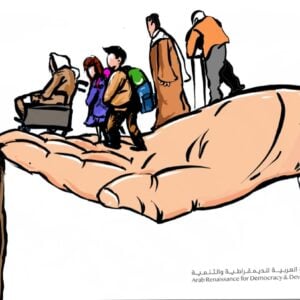
Almost 4.5 million people have fled Sudan since the outbreak of conflict in April 2023, making it the world’s largest and fastest-growing displacement crisis. According to a joint statement by NGO networks and the East and Central Africa Inter Agency Working Group, refugees are often exposed to violence, exploitation, and severe hardship during their journey, while host communities in neighbouring countries are themselves struggling with poverty, limited services, and rising pressure on basic resources.
The crisis has created a wide regional impact across countries including Egypt, Chad, South Sudan, Libya, Central African Republic, Ethiopia, and Uganda. These countries have received large and growing refugee populations, with many reception centres and camps operating far beyond capacity. In several cases, arrivals are settling in remote or insecure regions where access to healthcare, education, water, and livelihoods is extremely limited, increasing tensions between displaced people and host communities.
NGOs warn that protection risks remain extremely high, including trafficking, sexual violence, child exploitation, family separation, and recruitment of children into armed groups. Limited funding for protection services has further worsened vulnerabilities, while overcrowded camps and reduced food assistance have intensified humanitarian needs across the region.
The crisis is also driving worsening food insecurity and public health emergencies. Reduced humanitarian funding has led to cuts in food distributions, while disease outbreaks such as cholera, measles, and diphtheria are spreading along displacement routes. Weak water, sanitation, and healthcare systems are further contributing to rising cases of preventable illnesses in affected areas.
NGOs are calling for an urgent shift toward a coordinated regional response, increased and flexible humanitarian funding, and stronger diplomatic engagement. They stress that neighbouring countries are already facing underfunded crises and require sustained international support, including safe access for aid delivery, strengthened protection systems, and long-term investment to prevent further regional destabilisation.