The world is failing Sudan as its devastating conflict enters a fourth year, senior United Nations officials have warned, describing it as the largest humanitarian and displacement crisis globally. UN agencies and partners have called for an immediate end to the war between rival military factions as millions face worsening conditions.
Tom Fletcher said the anniversary marks another year in which the international community has not done enough to address the crisis. Speaking from Berlin ahead of an international conference, he stressed the urgent need for global action to end the violence and support affected populations.
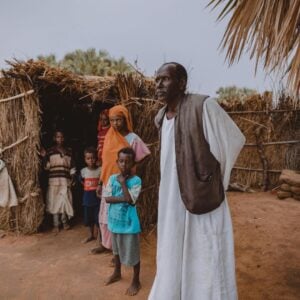
The conflict, which began on 15 April 2023 between the Sudanese Armed Forces and the Rapid Support Forces, has left nearly 34 million people—around 65 percent of the population—in urgent need of humanitarian assistance. According to the UNHCR, about 14 million people have been displaced, including 4.4 million who have fled to neighboring countries such as Chad, Egypt, and South Sudan, placing immense strain on host nations.
Despite nearly four million people attempting to return home, many are finding destroyed infrastructure, limited access to clean water, and inadequate healthcare services. The International Organization for Migration has highlighted the severe challenges facing returnees.
The hunger crisis continues to intensify, with the World Food Programme warning that famine conditions persist in regions such as Darfur and the Kordofans. Millions of families are struggling to survive, with parents skipping meals to feed their children. The situation is further aggravated by global instability, including disruptions in the Red Sea region, which have increased the cost of essential goods like food, fuel, and fertilizers.
Women and children are bearing a disproportionate burden of the conflict. UN Women estimates that 12.7 million people—mostly women and girls—require support related to gender-based violence, a sharp rise since the war began. Reports indicate that sexual violence has become a systematic feature of the conflict.
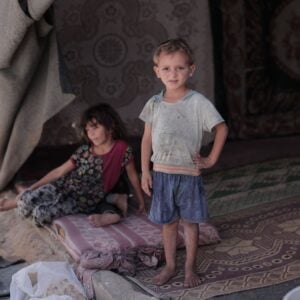
Children are also facing escalating risks, according to UNICEF. More than 4,300 children have been killed or injured, with thousands more affected by grave violations. Drone attacks have emerged as a major threat, responsible for a large share of child casualties and causing widespread destruction even in civilian areas such as homes, markets, and schools.
The International Committee of the Red Cross has warned that critical infrastructure is collapsing, with up to 80 percent of health facilities in conflict zones either non-operational or severely under-resourced. Communication networks have also been heavily damaged, further complicating humanitarian efforts.
UN Secretary-General António Guterres has reiterated calls for an immediate ceasefire, safe humanitarian access, and protection for civilians. Diplomatic efforts continue, with his envoy Pekka Haavisto engaging with key stakeholders to push for a peaceful resolution.
Humanitarian agencies aim to assist 20 million people this year, but their nearly $3 billion appeal remains severely underfunded. UN officials have urged the international community to act decisively to end the violence, ensure aid reaches those in need, and prevent further deterioration of what is already one of the world’s most severe crises.