Thousands of civilians in northeastern Mozambique have been displaced due to attacks by Islamist armed groups, including an organization linked to Islamic State-Mozambique, often referred to as Al-Shabab or Mashababos. Between November 10 and 23, 2025, these attacks resulted in the deaths of 33 civilians in Cabo Delgado and Nampula provinces and forced around 108,000 people, including 70,000 children, to flee their homes in Nampula’s Memba district to overcrowded areas in Eráti and other coastal localities.
Displaced individuals, including many children, are living in dire conditions without sufficient food, healthcare, shelter, or mental health support. Reports indicate that families have been separated, elderly people abandoned, and dozens are sleeping outdoors, exposed to the elements. Many have sought refuge in schools, administrative buildings, and other spaces not meant for human habitation, where poor hygiene and sanitation have contributed to outbreaks of diarrheal diseases and malaria.
Humanitarian organizations and the Mozambican government have made efforts to respond to the crisis, including mobilizing food, emergency shelter, water, and sanitation facilities. However, the scale of displacement has overwhelmed available resources. In November alone, food and aid provided could only meet the needs of a fraction of those affected, highlighting the ongoing gap between humanitarian supply and demand.
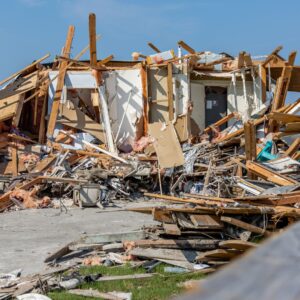
The conflict in Cabo Delgado, which began in 2017, has killed over 2,500 people and destroyed civilian infrastructure such as schools and health centers. In 2025, attacks have intensified and spread to neighboring provinces, displacing over 1.3 million people, putting both displaced populations and host communities at risk.
Human Rights Watch and legal experts emphasize that the Mozambican government has a constitutional and international obligation to protect displaced persons and provide basic necessities, including food, shelter, and healthcare. Authorities are urged to cooperate with international agencies and civil society organizations to meet urgent humanitarian needs and to investigate and prosecute those responsible for the violence.