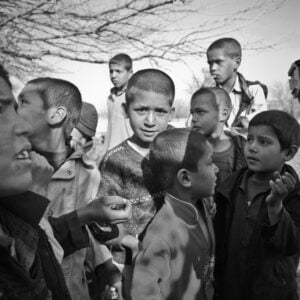
Save the Children, with support from the Green Climate Fund and the Global Partnership for Education, has launched a US$17 million initiative to strengthen climate resilience through education in South Sudan. The programme, known as Building the Climate Resilience of Children and Communities through the Education Sector (BRACE), aims to ensure that over 200,000 children, half of them girls, can continue learning despite the country’s recurrent climate disasters, including floods, droughts, and heatwaves.
The BRACE pilot will work with the Ministry of General Education and Instruction to reform education policies, rebuild schools, and train young people to maintain learning continuity during climate crises. By adapting school infrastructure with climate-smart solutions such as improved ventilation, solar panels, water harvesting, and sanitation systems, the project aims to protect children’s education while building broader community resilience.
South Sudan is among the most vulnerable countries to climate change, with over 1 million people affected by flooding across six states, and heatwaves forcing schools to close for extended periods. The initiative will directly address these challenges by enabling children to remain in school and communities to recover faster between disasters.
Government officials emphasized the importance of inclusive planning and community engagement in making education systems climate-resilient. Vice President Josephine Lagu highlighted the need for teacher training and community participation, while Minister Kuyok Abol Kuyok reaffirmed the commitment to ensure that every child has access to quality education despite climate threats.
Representatives from Save the Children, GPE, and UNESCO stressed that climate shocks are threatening children’s rights to safe and continuous learning. They noted that each disruption caused by floods, droughts, or heatwaves undermines long-term development and emphasizes the need for national leadership alongside international financing.
Globally, climate events interrupt learning for roughly 40 million children annually, a figure expected to rise with increasing climate intensity. Through BRACE, Save the Children and its partners aim to make education systems more resilient, enabling children not only to survive climate shocks but to thrive and lead in a changing world.
Save the Children has been active in South Sudan since 1991, providing education, healthcare, nutrition, food security, and livelihood support to help children and families cope with ongoing crises and build sustainable futures.