• Skip to primary navigation
  • Skip to main content
  • Skip to primary sidebar

fundsforNGOs News

Grants and Resources for Sustainability

  • Subscribe for Free
  • Premium Support
  • Premium Login
  • Premium Sign up
  • Home
  • Funds for NGOs
    • Agriculture, Food and Nutrition
    • Animals and Wildlife
    • Arts and Culture
    • Children
    • Civil Society
    • Community Development
    • COVID
    • Democracy and Good Governance
    • Disability
    • Economic Development
    • Education
    • Employment and Labour
    • Environmental Conservation and Climate Change
    • Family Support
    • Healthcare
    • HIV and AIDS
    • Housing and Shelter
    • Humanitarian Relief
    • Human Rights
    • Human Service
    • Information Technology
    • LGBTQ
    • Livelihood Development
    • Media and Development
    • Narcotics, Drugs and Crime
    • Old Age Care
    • Peace and Conflict Resolution
    • Poverty Alleviation
    • Refugees, Migration and Asylum Seekers
    • Science and Technology
    • Sports and Development
    • Sustainable Development
    • Water, Sanitation and Hygiene (WASH)
    • Women and Gender
  • Funds for Companies
    • Accounts and Finance
    • Agriculture, Food and Nutrition
    • Artificial Intelligence
    • Education
    • Energy
    • Environment and Climate Change
    • Healthcare
    • Innovation
    • Manufacturing
    • Media
    • Research Activities
    • Startups and Early-Stage
    • Sustainable Development
    • Technology
    • Travel and Tourism
    • Women
    • Youth
  • Funds for Individuals
    • All Individuals
    • Artists
    • Disabled Persons
    • LGBTQ Persons
    • PhD Holders
    • Researchers
    • Scientists
    • Students
    • Women
    • Writers
    • Youths
  • Funds in Your Country
    • Funds in Australia
    • Funds in Bangladesh
    • Funds in Belgium
    • Funds in Canada
    • Funds in Switzerland
    • Funds in Cameroon
    • Funds in Germany
    • Funds in the United Kingdom
    • Funds in Ghana
    • Funds in India
    • Funds in Kenya
    • Funds in Lebanon
    • Funds in Malawi
    • Funds in Nigeria
    • Funds in the Netherlands
    • Funds in Tanzania
    • Funds in Uganda
    • Funds in the United States
    • Funds within the United States
      • Funds for US Nonprofits
      • Funds for US Individuals
      • Funds for US Businesses
      • Funds for US Institutions
    • Funds in South Africa
    • Funds in Zambia
    • Funds in Zimbabwe
  • Proposal Writing
    • How to write a Proposal
    • Sample Proposals
      • Agriculture
      • Business & Entrepreneurship
      • Children
      • Climate Change & Diversity
      • Community Development
      • Democracy and Good Governance
      • Disability
      • Disaster & Humanitarian Relief
      • Environment
      • Education
      • Healthcare
      • Housing & Shelter
      • Human Rights
      • Information Technology
      • Livelihood Development
      • Narcotics, Drugs & Crime
      • Nutrition & Food Security
      • Poverty Alleviation
      • Sustainable Develoment
      • Refugee & Asylum Seekers
      • Rural Development
      • Water, Sanitation and Hygiene (WASH)
      • Women and Gender
  • News
    • Q&A
  • Premium
    • Premium Log-in
    • Premium Webinars
    • Premium Support
  • Contact
    • Submit Your Grant
    • About us
    • FAQ
    • NGOs.AI
You are here: Home / cat / Pastoralist Livelihoods and Climate Adaptation: Lessons from Somalia and Mali

Pastoralist Livelihoods and Climate Adaptation: Lessons from Somalia and Mali

Dated: September 29, 2025

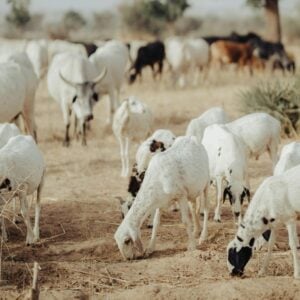
In Africa’s drylands, the survival and well-being of pastoralist communities depend heavily on healthy rangelands, accessible feed, and resilient livestock. Livestock provide not only income and nutrition but also cultural identity and security during crises. However, persistent challenges such as droughts, feed shortages, conflict, and weak market systems threaten these livelihoods. Strengthening fodder and feed value chains has emerged as a critical strategy to help communities protect their herds, maintain income, and build resilience against shocks.

At the September 2025 Community of Practice meeting convened by FAO’s Resilience Team for Africa, experts and practitioners from across the region discussed how investments in fodder production, animal feed, and pastoral development hubs are transforming lives in Somalia and Mali. The meeting highlighted that targeted support, spanning infrastructure, governance, and value chain development, can turn fragile pastoral systems into resilient ones capable of withstanding recurrent crises.

In Somalia, where livestock underpins the livelihoods of 60–65 percent of the population and contributes 45 percent of GDP, shocks such as droughts, locust invasions, and feed shortages continue to pressure pastoralist households. FAO and partners have invested over USD 70 million across nine projects in the past six years, reaching more than 46,400 households, supporting 133 cooperatives, and establishing 346 infrastructures including fodder facilities, markets, veterinary clinics, and water points. The Somali Information and Resilience Building Action project demonstrated substantial gains, with fodder productivity rising 42 percent, tropical livestock holdings increasing 21 percent, daily milk production growing 30 percent, and each dollar invested generating USD 4.30 in returns, helping households diversify income and improve child nutrition.

In northern Mali, pastoralism sustains over 30 percent of the population and contributes 19 percent to GDP, yet prolonged drought and insecurity have undermined herds and household food security. FAO and partners distributed pastoral kits valued at USD 198 each, which included livestock feed, nutritional supplements, veterinary medicines, and water containers. Beneficiaries saw daily milk production more than double, household milk income increase significantly, and a higher percentage achieve acceptable food consumption scores. By protecting herds and stabilizing income, these interventions helped families avoid negative coping strategies and reinforced livestock as a foundation for resilience.

The experiences from Somalia and Mali demonstrate that strong, inclusive feed and fodder systems, combined with access to supportive services and functioning markets, are essential for pastoralist resilience. Investments in fodder production, cooperative development, and private sector engagement enable communities to sustain production, improve nutrition, and withstand shocks. FAO’s Community of Practice continues to facilitate the sharing of these lessons across Africa, ensuring that pastoralist voices and solutions remain central to resilience-building strategies.

Related Posts

  • World Bank: Pakistan’s Poverty Rate Rises to 25.3% After Years of Decline
  • Darfur Cholera Vaccination Begins Amid Sudan Conflict
  • Sudan Launches Nationwide Livestock Vaccination to Protect 9.4 Million Animals Amid Food Crisis
  • Mexico Confirms New World Screwworm Case in Nuevo Leon
  • Strengthening Guatemala’s Resilience to Disasters: World Bank Support

Primary Sidebar

Latest News

Kazakhstan’s SME Finance Lesson: The Design Dividend Explained

Smarter Logistics Drive Trade Growth and Job Creation

How Women’s Digital Literacy Is Unlocking Opportunity

BII Launches £15 Billion Fund to Cut Coal Emissions in Asia

EIB Group Boosts Europe’s Clean Energy with €10 Billion Financing Plan

Council Finalises €90 Billion Loan Support for Ukraine

EU Releases €175,000 Humanitarian Aid After Recent Floods

BII Launches Climate Initiative, Plans £15 Billion Investment in Developing Economies

Africa Sees Vaccine Success Against Cancer and Malaria as Funding Pressures Build

Investing in girls’ and young women’s mental health for a stronger future

FAO, US conclude initiative boosting early warning and biosecurity systems

Zimbabwe showcases aquaculture investment opportunities at ZITF 2026 to boost jobs and trade

Heatwaves Push Agrifood Systems to the Brink Worldwide

Western Pacific Progress on Vaccines Must Be Protected: WHO

KSrelief Helps Pakistan Protect Millions from Polio

WHO, Pakistan Deliver 160 Million Childhood Vaccines Over 50 Years

Measles Surge in Americas Prompts PAHO Vaccination Call

WHO 2025 Report Shows Measurable Global Health Impact

WHO Confirms Algeria Has Eliminated Trachoma

Largest Catch-Up Immunization Drive Delivers 100 Million Vaccinations

Ghana, IOM Boost Disaster Risk Reduction and Emergency Response

Malnutrition Crisis Deepens in Somalia Camp Amid Severe Drought

Arizona Lands and Waters Receive New Funding Support

European Union Approves 20th Round of Sanctions on Russia

Portugal Gets €81M European Funding to Build Six Research Centres

Deloitte Unveils Asia Pacific Health Institute for Tech-Enabled Healthcare Access

Senegal Boosts Assistive Technology Access for Improved Well-being

Lessons from Southern Laos’ Unsold Carbon Credits in REDD+ Projects

Indonesia Tests Digital Social Protection Pilot Ahead of National Rollout

Kazakhstan Launches Just Energy Transition Investment Platform

What Australia’s First Sustainability Reports Teach Us

What India Can Learn from Global MSME Financing Models

UNDP Framework for Assessing Climate Investment Flows

Government of Canada Boosts Support for Seniors Nationwide

Kenya Girls Leading the Digital Future

North Dakota Launches $3.6M Rural Health Grant Program

Italy Launches €56.6M PRIN Hybrid Research Call

Dusk city skyline with tall illuminated buildings, palm trees in the foreground, and a residential street with red car light trails moving through the block.

Latin America VC Reforms: Lessons on Startups, Trust, and Governance

ILO Project Boosts Jobs and Social Cohesion in Mali

Banda Aceh MSMEs Boosted by ILO Perfume City Programme

Funds for NGOs
Funds for Companies
Funds for Media
Funds for Individuals
Sample Proposals

Contact us
Submit a Grant
Advertise, Guest Posting & Backlinks
Fight Fraud against NGOs
About us

Terms of Use
Third-Party Links & Ads
Disclaimers
Copyright Policy
General
Privacy Policy

Premium Sign in
Premium Sign up
Premium Customer Support
Premium Terms of Service

©FUNDSFORNGOS LLC.   fundsforngos.org, fundsforngos.ai, and fundsforngospremium.com domains and their subdomains are the property of FUNDSFORNGOS, LLC 1018, 1060 Broadway, Albany, New York, NY 12204, United States.   Unless otherwise specified, this website is not affiliated with the abovementioned organizations. The material provided here is solely for informational purposes and without any warranty. Visitors are advised to use it at their discretion. Read the full disclaimer here. Privacy Policy. Cookie Policy.