• Skip to primary navigation
  • Skip to main content
  • Skip to primary sidebar

fundsforNGOs News

Grants and Resources for Sustainability

  • Subscribe for Free
  • Premium Support
  • Premium Login
  • Premium Sign up
  • Home
  • Funds for NGOs
    • Agriculture, Food and Nutrition
    • Animals and Wildlife
    • Arts and Culture
    • Children
    • Civil Society
    • Community Development
    • COVID
    • Democracy and Good Governance
    • Disability
    • Economic Development
    • Education
    • Employment and Labour
    • Environmental Conservation and Climate Change
    • Family Support
    • Healthcare
    • HIV and AIDS
    • Housing and Shelter
    • Humanitarian Relief
    • Human Rights
    • Human Service
    • Information Technology
    • LGBTQ
    • Livelihood Development
    • Media and Development
    • Narcotics, Drugs and Crime
    • Old Age Care
    • Peace and Conflict Resolution
    • Poverty Alleviation
    • Refugees, Migration and Asylum Seekers
    • Science and Technology
    • Sports and Development
    • Sustainable Development
    • Water, Sanitation and Hygiene (WASH)
    • Women and Gender
  • Funds for Companies
    • Accounts and Finance
    • Agriculture, Food and Nutrition
    • Artificial Intelligence
    • Education
    • Energy
    • Environment and Climate Change
    • Healthcare
    • Innovation
    • Manufacturing
    • Media
    • Research Activities
    • Startups and Early-Stage
    • Sustainable Development
    • Technology
    • Travel and Tourism
    • Women
    • Youth
  • Funds for Individuals
    • All Individuals
    • Artists
    • Disabled Persons
    • LGBTQ Persons
    • PhD Holders
    • Researchers
    • Scientists
    • Students
    • Women
    • Writers
    • Youths
  • Funds in Your Country
    • Funds in Australia
    • Funds in Bangladesh
    • Funds in Belgium
    • Funds in Canada
    • Funds in Switzerland
    • Funds in Cameroon
    • Funds in Germany
    • Funds in the United Kingdom
    • Funds in Ghana
    • Funds in India
    • Funds in Kenya
    • Funds in Lebanon
    • Funds in Malawi
    • Funds in Nigeria
    • Funds in the Netherlands
    • Funds in Tanzania
    • Funds in Uganda
    • Funds in the United States
    • Funds within the United States
      • Funds for US Nonprofits
      • Funds for US Individuals
      • Funds for US Businesses
      • Funds for US Institutions
    • Funds in South Africa
    • Funds in Zambia
    • Funds in Zimbabwe
  • Proposal Writing
    • How to write a Proposal
    • Sample Proposals
      • Agriculture
      • Business & Entrepreneurship
      • Children
      • Climate Change & Diversity
      • Community Development
      • Democracy and Good Governance
      • Disability
      • Disaster & Humanitarian Relief
      • Environment
      • Education
      • Healthcare
      • Housing & Shelter
      • Human Rights
      • Information Technology
      • Livelihood Development
      • Narcotics, Drugs & Crime
      • Nutrition & Food Security
      • Poverty Alleviation
      • Sustainable Develoment
      • Refugee & Asylum Seekers
      • Rural Development
      • Water, Sanitation and Hygiene (WASH)
      • Women and Gender
  • News
    • Q&A
  • Premium
    • Premium Log-in
    • Premium Webinars
    • Premium Support
  • Contact
    • Submit Your Grant
    • About us
    • FAQ
    • NGOs.AI
You are here: Home / cat / Addressing Global Food Security Challenges: Insights from Natasha Hayward

Addressing Global Food Security Challenges: Insights from Natasha Hayward

Dated: September 5, 2025

Natasha Hayward, Program Manager of the Global Agriculture and Food Security Program (GAFSP) at the World Bank, shared her expert insights on global food security in an exclusive interview with Capital. With over two decades of experience across Africa, South and East Asia, Hayward has led major initiatives in agriculture, rural livelihoods, and nutrition security, emphasizing community-driven development and social inclusion. She is currently spearheading the Global Challenge Program for Food and Nutrition Security, which monitors and responds to evolving challenges in global agri-food systems.

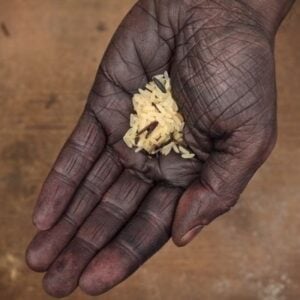
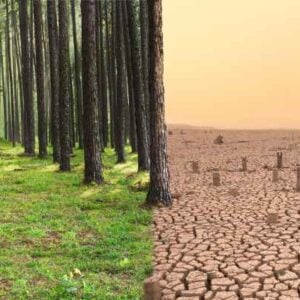
Hayward highlighted the urgent factors exacerbating food insecurity, noting that conflict, severe climate shocks, and inflation are deepening hunger in low-income countries. She stressed the importance of integrated approaches that combine nutrition, climate resilience, and environmental conservation to address both immediate needs and long-term stability.

GAFSP addresses financial gaps in agriculture by blending public and private financing, channeling funds through country-led plans, and leveraging co-investments. The program recently launched the $75 million Business Investment Financing Track (BIFT) to mobilize private and climate capital for smallholder farmers, MSMEs, and agrifood startups, promoting public-private partnerships and enhancing local value chains.

Hayward emphasized the critical role of the private sector in scaling agricultural transformation, noting that farmers themselves are private actors. GAFSP focuses on investing in enabling environments and de-risking investments, particularly in fragile or underdeveloped regions where the potential impact is greatest. She compared current challenges to the 2007–08 food price crisis, highlighting the need for long-term, integrated investments that deliver co-benefits such as women’s empowerment, climate resilience, and nutrition outcomes.

In Ethiopia, GAFSP has contributed US$87 million to the Agricultural Growth Program (AGP), reaching over three million people. The program improves smallholder productivity and market access through climate-smart irrigation, infrastructure, and extension services, while integrating nutrition-sensitive and climate-adaptive practices. Private sector financing also supports livestock production and nutritious meat supply chains.

Hayward discussed GAFSP’s integrated approach, citing projects like Rwanda’s Sustainable Agricultural Intensification Project (SAIP), which strengthened food systems for nearly 200,000 people by establishing kitchen gardens, promoting nutrition-sensitive practices, and engaging women in home-based nutrition initiatives. She underscored the importance of cross-cutting objectives such as gender equity, sustainability, and climate resilience to maximize impact.

Since 2010, GAFSP has mobilized US$2.5 billion to support over 20 million people in vulnerable regions. Examples include Timor-Leste, where climate-smart agriculture and watershed planning have enhanced yields, reduced post-harvest losses, and improved market access, even in conflict-affected areas. Looking ahead to 2030, GAFSP’s strategic priorities focus on maximizing co-benefits, enabling innovative country-led solutions, and catalyzing additional public, private, and climate finance.

Youth and women’s empowerment are central to GAFSP’s approach. In Ethiopia, the program supports young agricultural entrepreneurs across the business growth cycle, while initiatives in Mauritania and The Gambia provide women with land access, market platforms, and climate-smart training. These interventions aim to enhance livelihoods, nutrition, and long-term community resilience.

Finally, Hayward emphasized that GAFSP complements broader World Bank initiatives, such as Ethiopia’s Food Security Resilience Project, by filling targeted gaps and ensuring coordination with national priorities. While macroeconomic pressures like inflation can exacerbate food insecurity, GAFSP strengthens long-term resilience through productivity improvements, market access, and climate adaptation.

Related Posts

  • Closing the Climate Finance Gap: Pathways to Resilience in Asia-Pacific
  • African Development Bank Pledges Stronger Climate Action at Africa Climate Week 2025
  • US Approves $32.5 Million Aid to Support Nigeria’s Fight Against Hunger
  • AfDB to Boost African Food Security Investments at Africa Food Systems Forum
  • CT Foodshare Boosted by State Funding Amid Federal Aid Uncertainty

Primary Sidebar

Latest News

SCORE Report Finds Bosnia and Herzegovina More Resilient Than Expected

UNDP, Yokohama City Restore Playground for War-Hit Odesa Kindergarten

EU Helps Reopen Primary School in War-Torn Hostomel, Ukraine

Improving Health and Welfare of Safai Mitras in Urban Communities

Apply for Up to $150,000 Grants Under GEF Small Grants Programme

How Innovators Are Shaping the Future of Smart Housing

Southern Water Acknowledges Marine Pollution Case

UK Expands Climate Crisis Support for Vulnerable Pacific Islands

From Farm to Jam: Dragon Fruit Entrepreneur Goes Digital

Rockefeller Foundation Announces Inaugural Big Bets Fellows for Africa

Ontario Invests $500,000 to Protect Sault Ste. Marie Workers from U.S. Tariffs

Oshawa Gets New Homelessness and Addiction Recovery Treatment Hub

Qurbani: A Sacred Duty in Islam Explained

Germany: EIB Provides €500M for Affordable Housing in Berlin

Ukraine’s Centrenergo to Go Green with EIB Technical Assistance

Prado XII Fund Gets EIB and ICO Investment for Energy Efficiency in Iberia

Russia Escalates LGBTQ+ Crackdown, Labels LGBT Network Extremist

UN, EU Warn of Rising Food Insecurity and Malnutrition in New Report

Second Round of USDA Disaster Relief Funds Announced for Farmers

Four Exciting Trends in Development Financing to Watch

Climate-Resilient Classroom Opens in Vanuatu After Fundraising Initiative

West and Central Africa Launches “Fit to Prosper” for Health and Economic Growth

Canada Marks Vaccination Week in the Americas with Call for Stronger Immunization

Ecuador Tests Pandemic Response Readiness Through Simulation Exercise

Preparing for Pandemics: WHO Runs Global Disease Outbreak Simulation

UNICEF Warns of Growing Child Humanitarian Crisis in Central Sahel

World News in Brief: Sudan Drone Attacks, South Sudan Violence, Ukraine Strikes

Afghanistan Risks Losing 25,000 Women Teachers and Health Workers

New Initiative to Improve Urban Water and Sanitation in Kenya

Abidjan–Lagos Highway: AfDB Leads Five-Country Field Mission

AfDB Supports Mauritania’s Green Hydrogen Auction Framework

EIB and ICO Invest in Prado XII Energy Efficiency Fund for Spain & Portugal

How Siti Rebuilt Her Life With Link Women Support Network

Bosnia and Herzegovina MSMEs Gain Finance Support from EBRD and EU

South Sudan Crisis: 100+ Women and Girls Displaced Every Hour

How India Is Financing the SDGs Through Stronger Public Systems

Co-op Reopens in Newbiggin-by-the-Sea After Major Makeover

Asda Foundation Awards £3.2M in Grants in 2025 Impact Report

Scotland Communities Receive Nearly £800K in Resilience Funding

How $48.9M Ethereum Unstake Could Impact ETH Prices

Funds for NGOs
Funds for Companies
Funds for Media
Funds for Individuals
Sample Proposals

Contact us
Submit a Grant
Advertise, Guest Posting & Backlinks
Fight Fraud against NGOs
About us

Terms of Use
Third-Party Links & Ads
Disclaimers
Copyright Policy
General
Privacy Policy

Premium Sign in
Premium Sign up
Premium Customer Support
Premium Terms of Service

©FUNDSFORNGOS LLC.   fundsforngos.org, fundsforngos.ai, and fundsforngospremium.com domains and their subdomains are the property of FUNDSFORNGOS, LLC 1018, 1060 Broadway, Albany, New York, NY 12204, United States.   Unless otherwise specified, this website is not affiliated with the abovementioned organizations. The material provided here is solely for informational purposes and without any warranty. Visitors are advised to use it at their discretion. Read the full disclaimer here. Privacy Policy. Cookie Policy.