• Skip to primary navigation
  • Skip to main content
  • Skip to primary sidebar

fundsforNGOs News

Grants and Resources for Sustainability

  • Subscribe for Free
  • Premium Support
  • Premium Login
  • Premium Sign up
  • Home
  • Funds for NGOs
    • Agriculture, Food and Nutrition
    • Animals and Wildlife
    • Arts and Culture
    • Children
    • Civil Society
    • Community Development
    • COVID
    • Democracy and Good Governance
    • Disability
    • Economic Development
    • Education
    • Employment and Labour
    • Environmental Conservation and Climate Change
    • Family Support
    • Healthcare
    • HIV and AIDS
    • Housing and Shelter
    • Humanitarian Relief
    • Human Rights
    • Human Service
    • Information Technology
    • LGBTQ
    • Livelihood Development
    • Media and Development
    • Narcotics, Drugs and Crime
    • Old Age Care
    • Peace and Conflict Resolution
    • Poverty Alleviation
    • Refugees, Migration and Asylum Seekers
    • Science and Technology
    • Sports and Development
    • Sustainable Development
    • Water, Sanitation and Hygiene (WASH)
    • Women and Gender
  • Funds for Companies
    • Accounts and Finance
    • Agriculture, Food and Nutrition
    • Artificial Intelligence
    • Education
    • Energy
    • Environment and Climate Change
    • Healthcare
    • Innovation
    • Manufacturing
    • Media
    • Research Activities
    • Startups and Early-Stage
    • Sustainable Development
    • Technology
    • Travel and Tourism
    • Women
    • Youth
  • Funds for Individuals
    • All Individuals
    • Artists
    • Disabled Persons
    • LGBTQ Persons
    • PhD Holders
    • Researchers
    • Scientists
    • Students
    • Women
    • Writers
    • Youths
  • Funds in Your Country
    • Funds in Australia
    • Funds in Bangladesh
    • Funds in Belgium
    • Funds in Canada
    • Funds in Switzerland
    • Funds in Cameroon
    • Funds in Germany
    • Funds in the United Kingdom
    • Funds in Ghana
    • Funds in India
    • Funds in Kenya
    • Funds in Lebanon
    • Funds in Malawi
    • Funds in Nigeria
    • Funds in the Netherlands
    • Funds in Tanzania
    • Funds in Uganda
    • Funds in the United States
    • Funds within the United States
      • Funds for US Nonprofits
      • Funds for US Individuals
      • Funds for US Businesses
      • Funds for US Institutions
    • Funds in South Africa
    • Funds in Zambia
    • Funds in Zimbabwe
  • Proposal Writing
    • How to write a Proposal
    • Sample Proposals
      • Agriculture
      • Business & Entrepreneurship
      • Children
      • Climate Change & Diversity
      • Community Development
      • Democracy and Good Governance
      • Disability
      • Disaster & Humanitarian Relief
      • Environment
      • Education
      • Healthcare
      • Housing & Shelter
      • Human Rights
      • Information Technology
      • Livelihood Development
      • Narcotics, Drugs & Crime
      • Nutrition & Food Security
      • Poverty Alleviation
      • Sustainable Develoment
      • Refugee & Asylum Seekers
      • Rural Development
      • Water, Sanitation and Hygiene (WASH)
      • Women and Gender
  • News
    • Q&A
  • Premium
    • Premium Log-in
    • Premium Webinars
    • Premium Support
  • Contact
    • Submit Your Grant
    • About us
    • FAQ
    • NGOs.AI
You are here: Home / cat / Confronting Alarming Food Insecurity Trends in Africa: Expert Analysis and Solutions

Confronting Alarming Food Insecurity Trends in Africa: Expert Analysis and Solutions

Dated: September 2, 2025

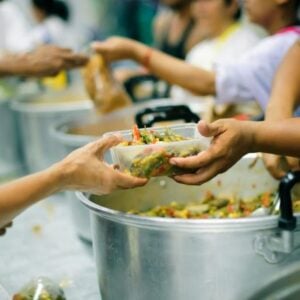
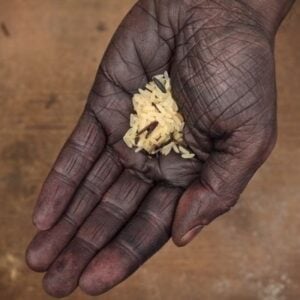
Africa is facing its most severe hunger crisis in decades, with over 282 million people affected as of July 2025—more than one in five across the continent. The crisis is driven by a combination of climate shocks, economic instability, and ongoing conflicts, severely impacting regions from drought-ridden Southern Africa to famine-threatened communities in the East. Despite the scale of the challenge, there remains hope through durable, community-led solutions designed to empower people and build resilience against future crises.

Gilbert Phiri, senior coordinator for the Africa region Zero Hunger Initiative at IFRC, stresses that ending hunger requires more than emergency aid; it demands sustainable interventions that strengthen communities’ ability to feed themselves over the long term. He highlights the worsening hunger and malnutrition trends across Africa in 2025, driven by interconnected climate, economic, and conflict factors. Without coordinated global action and investment in resilient food systems, millions risk chronic hunger and life-threatening malnutrition.

Almost every African region is affected by hunger. West and Central Africa face record levels, with over 52 million people enduring food shortages during the 2025 lean season. Southern African countries such as Zimbabwe, Zambia, Malawi, and Namibia are experiencing acute food insecurity among up to 40% of their populations due to environmental and economic shocks. East Africa remains the hardest hit, with over 69 million people facing acute food insecurity. The broader East and Horn of Africa region, including Sudan and South Sudan, has over 85 million highly food-insecure individuals. Malnutrition rates are alarmingly high, with some countries having one in three children malnourished, particularly in Somalia, Chad, Zambia, Uganda, Kenya, and Guinea-Bissau.

The scale of the crisis is staggering, with more than 307 million Africans affected by hunger as of mid-2025. Childhood stunting averages 30.7% continent-wide, and wasting affects 6% of children. However, addressing hunger is not only about recognizing the numbers but also about rethinking responses. Durable solutions, as defined by Phiri, are sustainable, systemic, and resilient to future shocks caused by climate, conflict, or economic challenges. These solutions require innovation, inclusivity, and coordination, building resilience at the individual, community, and agency levels.

Durable solutions differ from short-term aid by focusing on the root causes of hunger, empowering communities, and creating systems that last. They integrate sectors such as health, education, agriculture, and economic development to enable people to sustain themselves year after year. An example is the Village Model project supported by IFRC, which brings households together to improve food security, livelihoods, and resilience through shared resources, skills, and mutual support. This model combines sustainable agriculture, savings groups, and social cohesion to create self-reliant villages capable of withstanding future crises.

Community ownership is essential to the success of these interventions. When communities lead, design, and manage solutions, they are more likely to be sustainable and scalable. In Rwanda, community-managed livestock schemes thrived because members reinvested in one another, while in Nigeria, men supported mothers’ clubs after seeing benefits for their families. Local ownership fosters confidence, skills, and social networks that help spread successful models, creating a multiplier effect through local champions.

To scale these durable, community-led solutions, significant support is urgently needed. There is a substantial financing gap, estimated at $21 to $77 billion annually from public sources alone, with even more required from private investments to transform food systems across Africa. Current funding levels are insufficient to reach all communities in need. Stable, multi-year funding is critical to allow community-led projects to take root, grow, and demonstrate lasting impact. Alongside financing, enabling policies, stronger government-community coordination, expanded social protection, and access to climate-smart agriculture and technology are necessary to support these efforts.

The fundamental message for donors and partners is that sustainable, community-driven solutions—rather than short-term fixes—are the only effective way to end hunger. While emergency aid saves lives, it does not address the underlying causes of food insecurity, such as poverty, fragile food systems, and climate change. Durable approaches have shown success but remain underfunded and constrained by rigid policies. The mindset needs to shift from asking how to feed people today, to ensuring they can feed themselves every year going forward.

Ending food insecurity in Africa requires collective action. The Africa Zero Hunger Campaign invites stakeholders to join efforts in building resilient, self-reliant communities capable of overcoming hunger and malnutrition for generations to come.

Related Posts

  • Milford Food Bank Receives $10,000 Donation from Local Supporter Doug Kauffman
  • Angela Gichaga: Pioneering Healthcare Investment Across Africa
  • WFP Expands Emergency Food Aid in Southern Syria to Cover All of As-Sweida
  • India Partners with WFP to Strengthen Global Hunger Relief Efforts
  • £2 Million Fund Granted to Community Organisations Following Pharmaceutical Branch Closure

Primary Sidebar

Latest News

SCORE Report Finds Bosnia and Herzegovina More Resilient Than Expected

UNDP, Yokohama City Restore Playground for War-Hit Odesa Kindergarten

EU Helps Reopen Primary School in War-Torn Hostomel, Ukraine

Improving Health and Welfare of Safai Mitras in Urban Communities

Apply for Up to $150,000 Grants Under GEF Small Grants Programme

How Innovators Are Shaping the Future of Smart Housing

Southern Water Acknowledges Marine Pollution Case

UK Expands Climate Crisis Support for Vulnerable Pacific Islands

From Farm to Jam: Dragon Fruit Entrepreneur Goes Digital

Rockefeller Foundation Announces Inaugural Big Bets Fellows for Africa

Ontario Invests $500,000 to Protect Sault Ste. Marie Workers from U.S. Tariffs

Oshawa Gets New Homelessness and Addiction Recovery Treatment Hub

Qurbani: A Sacred Duty in Islam Explained

Germany: EIB Provides €500M for Affordable Housing in Berlin

Ukraine’s Centrenergo to Go Green with EIB Technical Assistance

Prado XII Fund Gets EIB and ICO Investment for Energy Efficiency in Iberia

Russia Escalates LGBTQ+ Crackdown, Labels LGBT Network Extremist

UN, EU Warn of Rising Food Insecurity and Malnutrition in New Report

Second Round of USDA Disaster Relief Funds Announced for Farmers

Four Exciting Trends in Development Financing to Watch

Climate-Resilient Classroom Opens in Vanuatu After Fundraising Initiative

West and Central Africa Launches “Fit to Prosper” for Health and Economic Growth

Canada Marks Vaccination Week in the Americas with Call for Stronger Immunization

Ecuador Tests Pandemic Response Readiness Through Simulation Exercise

Preparing for Pandemics: WHO Runs Global Disease Outbreak Simulation

UNICEF Warns of Growing Child Humanitarian Crisis in Central Sahel

World News in Brief: Sudan Drone Attacks, South Sudan Violence, Ukraine Strikes

Afghanistan Risks Losing 25,000 Women Teachers and Health Workers

New Initiative to Improve Urban Water and Sanitation in Kenya

Abidjan–Lagos Highway: AfDB Leads Five-Country Field Mission

AfDB Supports Mauritania’s Green Hydrogen Auction Framework

EIB and ICO Invest in Prado XII Energy Efficiency Fund for Spain & Portugal

How Siti Rebuilt Her Life With Link Women Support Network

Bosnia and Herzegovina MSMEs Gain Finance Support from EBRD and EU

South Sudan Crisis: 100+ Women and Girls Displaced Every Hour

How India Is Financing the SDGs Through Stronger Public Systems

Co-op Reopens in Newbiggin-by-the-Sea After Major Makeover

Asda Foundation Awards £3.2M in Grants in 2025 Impact Report

Scotland Communities Receive Nearly £800K in Resilience Funding

How $48.9M Ethereum Unstake Could Impact ETH Prices

Funds for NGOs
Funds for Companies
Funds for Media
Funds for Individuals
Sample Proposals

Contact us
Submit a Grant
Advertise, Guest Posting & Backlinks
Fight Fraud against NGOs
About us

Terms of Use
Third-Party Links & Ads
Disclaimers
Copyright Policy
General
Privacy Policy

Premium Sign in
Premium Sign up
Premium Customer Support
Premium Terms of Service

©FUNDSFORNGOS LLC.   fundsforngos.org, fundsforngos.ai, and fundsforngospremium.com domains and their subdomains are the property of FUNDSFORNGOS, LLC 1018, 1060 Broadway, Albany, New York, NY 12204, United States.   Unless otherwise specified, this website is not affiliated with the abovementioned organizations. The material provided here is solely for informational purposes and without any warranty. Visitors are advised to use it at their discretion. Read the full disclaimer here. Privacy Policy. Cookie Policy.