You are here: Home/cat/ Worsening Hunger Could Push Millions Closer to Famine in 13 Global Hotspots
Worsening Hunger Could Push Millions Closer to Famine in 13 Global Hotspots
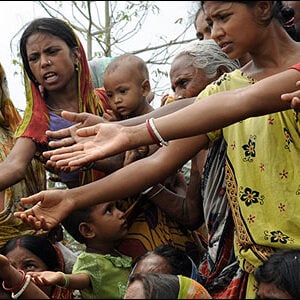
Millions of people across 13 countries and territories are expected to face worsening food insecurity between June and November 2026, according to a new report from Food and Agriculture Organization and the World Food Programme.
The report identifies Sudan, South Sudan, Yemen and Palestine as the most severe hunger hotspots, while northeast Nigeria and Somalia have been elevated to the highest-risk category due to growing famine concerns.
Conflict remains the primary driver of hunger, affecting 12 of the 13 hotspots. Economic shocks, climate-related threats, and shrinking humanitarian funding are further worsening conditions. Funding for food assistance, emergency agriculture, and nutrition programmes has fallen sharply since 2022, while an estimated 266 million people across the identified hotspots are experiencing severe food insecurity.
Sudan continues to face the world’s most severe hunger crisis, with famine risks persisting in parts of Darfur and South Kordofan. Yemen remains one of the most food-insecure countries globally, while conditions in Gaza remain fragile despite some improvements following the October 2025 ceasefire. In Nigeria, parts of Borno State are projected to face catastrophic hunger levels, and Somalia faces increasing famine risks due to drought, conflict, and poor harvests.
The report also warns that additional pressures—including instability in the Middle East, an Ebola outbreak in eastern Democratic Republic of the Congo, and the possibility of an El Niño weather event—could further disrupt food systems and humanitarian operations.
FAO and WFP are calling for urgent international action, emphasizing that early intervention, support for agricultural livelihoods, and increased humanitarian funding are critical to preventing millions more people from slipping into famine conditions.