Bikoro Territory — June 1, 2026 — What began as an urgent appeal in January has become a life‑changing reality for 5,780 residents of the Democratic Republic of the Congo. Thanks to the support of Bread and Water for Africa®, six new wells have been completed in underserved communities of Bikoro Territory, bringing reliable access to clean, safe drinking water.
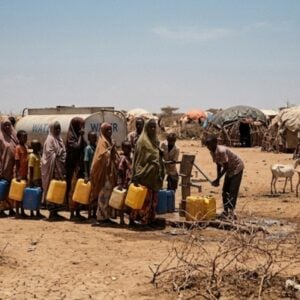
For villages that once relied on contaminated ponds, rivers, and swamps, the new wells mean more than water. They represent improved health, opportunities for children, and renewed hope. Four out of five people in the DRC risk deadly waterborne diseases each time they drink untreated water, making this intervention critical.
Working with local partner Appropriate Technologies for Congo (TAC Asbl), led by executive director Lucien Beele, the project prioritized communities most in need. Villages such as Ikalanganya, Ikoko Impenge, Momboyo, Mokomboso, Quartier Commercial, and Quartier Yoka now have immediate access to clean water for drinking, cooking, bathing, and washing.
Lucien emphasized that the wells were built where the need was most urgent, especially in areas where women and children previously spent hours each day collecting water. With wells now inside their villages, families save two to three hours daily, children can attend school more regularly, and women have more time for income‑generating activities and family care.
The project also included community training, monitoring, and evaluation to ensure sustainability. Continuous field visits kept residents engaged, while local leadership networks helped spread awareness.
Already, the wells have reduced cases of diarrhea, cholera, dysentery, and typhoid. Families report fewer medical expenses, healthier children, and stronger communities. In isolated villages often cut off during rainy seasons, residents say they now feel seen, valued, and connected to the world.
This initiative demonstrates how targeted investment in clean water can transform lives, strengthen resilience, and restore dignity in some of the most vulnerable communities.