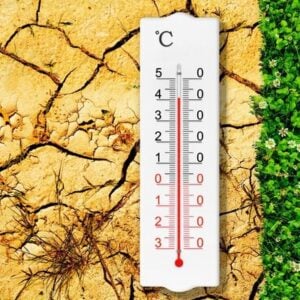
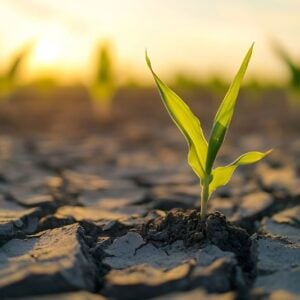
Somalia has launched a major national initiative to improve climate resilience and disaster preparedness through a strengthened Multi-Hazard Early Warning System (MHEWS). The programme is part of the global “Early Warnings for All” (EW4ALL) initiative and aims to significantly reduce the human and economic impact of climate-related disasters across the country.
The initiative is being led by the Federal Government of Somalia in partnership with the United Nations Development Programme and the Green Climate Fund, with implementation support from Somalia’s disaster management authorities. It focuses on improving early warning systems, risk monitoring, and rapid communication to vulnerable communities.
The project aims to reduce disaster-related fatalities in Somalia by 42% by 2030 and expand early warning coverage from around 20% to nationwide reach. It also targets improved preparedness for droughts, floods, and other climate-induced hazards that frequently affect communities across the country.
The programme will strengthen the full early warning value chain, including governance and coordination, hazard monitoring and forecasting, and communication systems that ensure timely alerts reach even remote regions. Modern tools such as mobile alerts, sirens, and community-based networks will be introduced to improve response times and public awareness.
Funding for the initiative includes a US$12.7 million grant from the Green Climate Fund, along with additional co-financing from development partners. The system will be implemented nationwide under the leadership of Somalia’s disaster management agency in coordination with federal and regional authorities.
Officials involved in the programme emphasized that Somalia is highly exposed to climate risks and that shifting from reactive disaster response to proactive risk management is essential to saving lives and protecting livelihoods. The initiative is expected to directly benefit 1.2 million people, with broader improvements in resilience reaching up to 8 million people.
The project aligns with Somalia’s national development plans as well as global frameworks such as the Sendai Framework for Disaster Risk Reduction, the Paris Agreement, and the Sustainable Development Goals. It also forms part of a broader international effort under the United Nations system to ensure that all countries have effective early warning systems in place by 2027.
By combining institutional reform, improved forecasting systems, and community-level preparedness, the initiative represents a major step toward strengthening Somalia’s long-term resilience against climate shocks and disasters.