Geneva — May 28, 2026 — Disinformation has become one of the most pressing threats to both public health and democratic resilience, according to experts speaking at the World Health Assembly. From COVID‑19 to the recent hantavirus outbreak, false narratives have spread rapidly, eroding trust in science, institutions, and health authorities.
During the Assembly, Céline Jurgensen, France’s Ambassador to the UN in Geneva, described disinformation as “broader, ideological, and sometimes institutionalised,” aimed at undermining confidence in governments and international organizations. Former New Zealand Prime Minister Helen Clark, now chair of Gavi, called it “an existential threat to public health,” pointing to the crisis of trust that fuels vaccine hesitancy and polarisation.
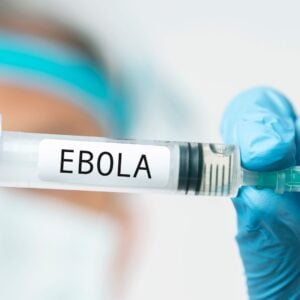
Examples of disinformation’s impact are stark. In the Democratic Republic of Congo, misinformation led to attacks on Ebola treatment tents. In Pakistan, vaccine misinformation dominated social media searches. In Brazil, denialist rhetoric during the pandemic continues to affect vaccine uptake. Even casual remarks by political leaders have influenced patient behaviour, as seen when US President Donald Trump’s comments on paracetamol and autism led to refusals of pain relief in Geneva clinics.
Experts stressed that misinformation is not simply a communication challenge but a trust problem. Robert Mardini, Director General of Geneva University Hospitals, noted that disinformation directly influences whether patients seek care or adhere to treatment. Building trust at the community level, throughTreating the Disinformation ‘Virus’ Undermining Health and Democracy
Geneva — May 28, 2026 — The rapid spread of misinformation and disinformation is increasingly recognized as a global threat to both public health and democratic resilience. Experts at the World Health Assembly warned that false narratives, amplified by social media and AI, are eroding trust in science, weakening vaccine confidence, and undermining institutions.
During the recent hantavirus outbreak, conspiracy theories claiming the virus was “fake” or “engineered” spread widely, echoing patterns seen during COVID‑19. In the Democratic Republic of Congo, misinformation fueled violent attacks on Ebola treatment tents, showing how disinformation can directly endanger lives.
French Ambassador Céline Jurgensen described the phenomenon as “ideological and institutionalized,” while Helen Clark, chair of Gavi, called it an “existential threat to public health.” Activists such as Kemi Akinfaderin highlighted how anti‑rights groups strategically undermine evidence in areas like reproductive health, further eroding trust.
Health leaders stressed that misinformation is not simply a communication challenge but a trust problem. Robert Mardini, Director General of Geneva University Hospitals, noted that falsehoods influence how patients interpret symptoms, whether they seek care, and how communities respond to public health measures. Building trust at the community level, through local health volunteers and credible communicators, is seen as essential.
Governments and institutions are exploring solutions. France has adopted a national strategy against health disinformation, while the European Union’s Digital Services Act strengthens accountability for digital platforms. Brazil and Thailand emphasized the importance of civil society participation and rapid “social listening” to counter false narratives.
The World Health Organization (WHO) is preparing to launch the “Together for Science and Health” movement, aimed at reinforcing scientific literacy, transparency, and community engagement. WHO Chief Scientist Sylvie Briand stressed the need to “listen, connect, and communicate,” while Mardini urged investment in systemic resilience rather than simply correcting falsehoods faster.
Ultimately, experts agree that combating disinformation requires strengthening trust in science and institutions, empowering healthcare workers as credible messengers, and creating environments where falsehoods cannot easily take root.