• Skip to primary navigation
  • Skip to main content
  • Skip to primary sidebar

fundsforNGOs News

Grants and Resources for Sustainability

  • Subscribe for Free
  • Premium Support
  • Premium Login
  • Premium Sign up
  • Home
  • Funds for NGOs
    • Agriculture, Food and Nutrition
    • Animals and Wildlife
    • Arts and Culture
    • Children
    • Civil Society
    • Community Development
    • COVID
    • Democracy and Good Governance
    • Disability
    • Economic Development
    • Education
    • Employment and Labour
    • Environmental Conservation and Climate Change
    • Family Support
    • Healthcare
    • HIV and AIDS
    • Housing and Shelter
    • Humanitarian Relief
    • Human Rights
    • Human Service
    • Information Technology
    • LGBTQ
    • Livelihood Development
    • Media and Development
    • Narcotics, Drugs and Crime
    • Old Age Care
    • Peace and Conflict Resolution
    • Poverty Alleviation
    • Refugees, Migration and Asylum Seekers
    • Science and Technology
    • Sports and Development
    • Sustainable Development
    • Water, Sanitation and Hygiene (WASH)
    • Women and Gender
  • Funds for Companies
    • Accounts and Finance
    • Agriculture, Food and Nutrition
    • Artificial Intelligence
    • Education
    • Energy
    • Environment and Climate Change
    • Healthcare
    • Innovation
    • Manufacturing
    • Media
    • Research Activities
    • Startups and Early-Stage
    • Sustainable Development
    • Technology
    • Travel and Tourism
    • Women
    • Youth
  • Funds for Individuals
    • All Individuals
    • Artists
    • Disabled Persons
    • LGBTQ Persons
    • PhD Holders
    • Researchers
    • Scientists
    • Students
    • Women
    • Writers
    • Youths
  • Funds in Your Country
    • Funds in Australia
    • Funds in Bangladesh
    • Funds in Belgium
    • Funds in Canada
    • Funds in Switzerland
    • Funds in Cameroon
    • Funds in Germany
    • Funds in the United Kingdom
    • Funds in Ghana
    • Funds in India
    • Funds in Kenya
    • Funds in Lebanon
    • Funds in Malawi
    • Funds in Nigeria
    • Funds in the Netherlands
    • Funds in Tanzania
    • Funds in Uganda
    • Funds in the United States
    • Funds within the United States
      • Funds for US Nonprofits
      • Funds for US Individuals
      • Funds for US Businesses
      • Funds for US Institutions
    • Funds in South Africa
    • Funds in Zambia
    • Funds in Zimbabwe
  • Proposal Writing
    • How to write a Proposal
    • Sample Proposals
      • Agriculture
      • Business & Entrepreneurship
      • Children
      • Climate Change & Diversity
      • Community Development
      • Democracy and Good Governance
      • Disability
      • Disaster & Humanitarian Relief
      • Environment
      • Education
      • Healthcare
      • Housing & Shelter
      • Human Rights
      • Information Technology
      • Livelihood Development
      • Narcotics, Drugs & Crime
      • Nutrition & Food Security
      • Poverty Alleviation
      • Sustainable Develoment
      • Refugee & Asylum Seekers
      • Rural Development
      • Water, Sanitation and Hygiene (WASH)
      • Women and Gender
  • News
    • Q&A
  • Premium
    • Premium Log-in
    • Premium Webinars
    • Premium Support
  • Contact
    • Submit Your Grant
    • About us
    • FAQ
    • NGOs.AI
You are here: Home / cat / Swiss Aid Empowers Sudan’s Countryside to Boost Post-Conflict Recovery

Swiss Aid Empowers Sudan’s Countryside to Boost Post-Conflict Recovery

Dated: November 28, 2025

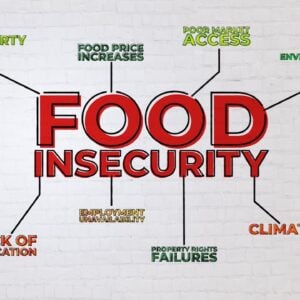
Sudan is facing the world’s largest humanitarian crisis, marked by widespread violence, human rights abuses, and food insecurity. In regions like Darfur and Kordofan, ongoing conflict has led to mass killings, sexual violence, and little progress toward peace. The humanitarian situation is dire, with over 21 million people experiencing acute food insecurity, including nearly 5 million malnourished children under five. Displacement has also reached unprecedented levels, with almost 14 million people forced from their homes, placing enormous strain on vulnerable host communities and local services.

Despite these challenges, much of Sudan remains accessible, allowing projects to boost livelihoods, agriculture, and living conditions even amidst the ongoing conflict. In early 2025, Switzerland committed CHF 3.5 million to the STRIDES project, a two-year initiative targeting 160,000 people in Kassala, Gedaref, and Red Sea States. These areas have collectively absorbed nearly 1.8 million displaced people since the conflict began. The project supports 20,000 smallholder farmers with seeds, training, and equipment such as tractors and harvesters, while also restocking livestock and providing veterinary services. Cash-for-work schemes and micro-grants help stimulate local businesses and create employment opportunities.

STRIDES has already contributed to reducing acute food insecurity, with the number of people in need falling from 26 to 21 million in recent months as agricultural production improves. For farmers like Hanadi in Al-Mafaza, access to machinery has transformed productivity, enabling timely planting and harvesting of crops like sesame and corn. The project also rehabilitates and solarizes water systems, distributes solar lighting, radios, and phone chargers to displaced households, and installs solar streetlights to improve safety and reduce gender-based violence.

Beyond immediate needs, STRIDES fosters long-term stability through peace dialogues, cultural events, and programs empowering women and youth to participate in decision-making and leadership. By targeting both displaced populations and host communities, the initiative strengthens social cohesion, supports local economies, and reduces food prices through increased production.

While STRIDES demonstrates the impact of combining emergency aid with strategic recovery investment, Sudan’s humanitarian needs remain immense. UNDP and Switzerland emphasize the urgent need to scale up support and replicate successful models across the country. The international community is called upon to increase assistance to help millions affected by conflict and build sustainable recovery in Sudan.
Related Posts

  • Global Hunger Explained: What IPC Levels Reveal About Rising Food Insecurity
  • South Sudan Humanitarian Crisis: Conflict and Aid Shortages Leave Millions Struggling – Oxfam
  • Nigeria Faces Sharp Spike in Hunger Amid Escalating Insurgent Violence
  • Northern Nigeria Faces Surge in Abductions and Insurgent Violence
  • Extreme Weather Threatens Food Security: WFP Urges Major Boost in Disaster Risk Financing

Primary Sidebar

Latest News

Global Measles Surge Driven by Conflict and Vaccine Misinformation

Kuwait Charity Expands Global Aid with Water Projects in India and Chad

New BNPB–IOM Initiative Strengthens Climate Displacement Risk Data System

New Arab States Partnership to Boost Green Finance for SMEs

Europe Boosts Earth Observation Capacity with ESA–EDA Joint Study (2026)

ICOS Welcomes €10M EU Funding for Bioeconomy Demonstration Projects

Asia-Pacific Food Forum opens in Brunei Darussalam with FAO

WHO declares Bahamas has eliminated mother-to-child HIV transmission

Zambia launches national NCD STEPS survey for health data

How simulation training is improving maternal health in Niger

Strengthening health emergencies: Malawi rolls out AVoHC–SURGE cohort 2

STOSAR II highlights Zimbabwe’s agricultural competitiveness at ZITF 2026

New Climate Investment Opportunities in Central Asia

Why Nature Reporting Matters for Financial Institutions

New Push to Strengthen Social Protection in Arab Region

Women Entrepreneurs Driving Peace in Southern Libya

How Ports Are Reducing Emissions in a Disrupted Trade System

Marburg Virus in Uganda: How It Jumps from Bats to Humans

Strengthening Local Research in Africa’s Malaria Fight

European Commission and EIB Unveil €600M Ukraine Aid Package

EU Environmental Campaign Launched in Albania to Protect Nature

EU Pledges €235M Humanitarian Aid for West and Central Africa

Extreme Heat Threatens Global Food Systems and Farmer Livelihoods: UN Report

Tuvalu Fights Rising Seas as Climate Change Threatens Its Survival

NDIS Cuts May Reduce Vital Social Interaction Support

Workplace Stress and Long Hours Linked to 840,000 Deaths Annually: ILO Report

Grants Awarded to 58 Animal Rehoming Organisations

Mapping Financial Inclusion Funders: Key Trends and Shifts

Sudan Darfur Violence, Global Landmine Threat, Singapore Executions Raise UN Alarm

Armenia: Employers Promote Formalization to Boost Growth

Japan Unions Strengthen Responsible Business Conduct for Labour Rights

AU and ILO Advance Joint Plan on Social Justice and Decent Work

$32.4M USDA Grant Funding Open for Local Agriculture Markets

Reflections on CLARE 2022 Open Call for Climate Adaptation Funding

Colombo Hosts Sub-Regional Hub on Decent Work and Care Economy

Study: 840,000 Deaths a Year Tied to Work Psychosocial Risks

United States Strengthens WFP Haiti Emergency Aid

ADB Commits $29.3B in 2025 to Strengthen Asia-Pacific Resilience

Asian Development Bank Commits $680M to Pacific in 2025

African Development Bank, CABEI Partner for Regional Development

Funds for NGOs
Funds for Companies
Funds for Media
Funds for Individuals
Sample Proposals

Contact us
Submit a Grant
Advertise, Guest Posting & Backlinks
Fight Fraud against NGOs
About us

Terms of Use
Third-Party Links & Ads
Disclaimers
Copyright Policy
General
Privacy Policy

Premium Sign in
Premium Sign up
Premium Customer Support
Premium Terms of Service

©FUNDSFORNGOS LLC.   fundsforngos.org, fundsforngos.ai, and fundsforngospremium.com domains and their subdomains are the property of FUNDSFORNGOS, LLC 1018, 1060 Broadway, Albany, New York, NY 12204, United States.   Unless otherwise specified, this website is not affiliated with the abovementioned organizations. The material provided here is solely for informational purposes and without any warranty. Visitors are advised to use it at their discretion. Read the full disclaimer here. Privacy Policy. Cookie Policy.