Brazzaville – The Republic of Congo has intensified efforts to detect and respond swiftly to a potential Ebola outbreak following the emergence of the virus in Kasai Province, Democratic Republic of the Congo. The neighboring country has seen a slowdown in virus transmission, with no new cases reported for 18 days as of 13 October… [Read More]
WHO
Nigeria Accelerates Vaccination Efforts with Mass Measles, Rubella, and Polio Campaign
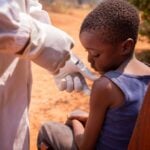
The Government of Nigeria has launched a nationwide integrated vaccination campaign targeting over 106 million people across all 36 states and the Federal Capital Territory. The initiative aims to deliver measles–rubella, polio, and HPV vaccines, closing immunity gaps and protecting children and adolescents from life-threatening diseases. The campaign was officially flagged off in Abuja by… [Read More]
Ethiopia at the Forefront of AI-Powered Digital X-Ray Use for Tuberculosis Detection

Ethiopia has made a significant advance in combating tuberculosis (TB) by launching a national AI-powered digital X-ray system for TB screening. The rollout, inaugurated on 18 September 2025 during the Annual Tuberculosis, Leprosy and Other Lung Diseases Review Meeting, was officiated by Dr. Dereje Duguma, State Minister of Health. The initiative positions Ethiopia among the… [Read More]
Europe Sees More Than 240 Children Pushed Toward Poverty Each Day
The European Union (EU) is falling behind on its pledge to lift at least 5 million children out of poverty or social exclusion by 2030, with more children now at risk than when the commitment was made. A recent report by Save the Children reveals that over the five years since the pledge, about 446,000… [Read More]
AI and Digital Tools: Unlocking Growth and Opportunities for Small Businesses

Digital technologies and Artificial Intelligence (AI) are reshaping how small and medium enterprises (SMEs) operate, offering significant opportunities to enhance productivity and improve working conditions, while also presenting challenges related to skills, inclusion, and decent work. This topic was the focus of a recent webinar organized by the ILO’s Global Sustaining Competitive and Responsible Enterprises… [Read More]
Understanding AfDB’s Africa Disaster Risk Financing Programme in The Gambia on UN Disaster Risk Reduction Day

The United Nations International Day for Disaster Risk Reduction emphasizes the importance of funding resilience today to avoid higher costs from disasters in the future. The African Development Bank Group’s Africa Disaster Risk Financing Programme (ADRiFi), in partnership with the Africa Risk Capacity Group, provides African countries with access to disaster risk insurance. By paying… [Read More]
Lagos Hosts the 2025 Création Africa Forum to Spotlight Africa’s Cultural and Creative Industries
From 16 to 18 October 2025, Lagos, Nigeria, will host the second edition of the Création Africa Forum, an event dedicated to advancing Africa’s cultural and creative industries. Organized by the French Ministry for Europe and Foreign Affairs in collaboration with the Maison des Mondes Africains (MansA), the Institut Français, and supported by the Team… [Read More]
East African Women with Disabilities Gain Voice in Climate Policy through ACCF Project

Florence Ntisai spent much of her life marginalized in Samburu County, Kenya, silenced by stigma and excluded from decisions shaping her future due to her congenital condition, phocomelia. Growing up in an environment where women with disabilities were often hidden from public life, she lacked the confidence to speak up or participate in community affairs…. [Read More]
World Bank Microloans in Cambodia Under Scrutiny Amid Rising Debt Traps
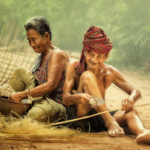
Cambodia has the highest microcredit debt per capita in the world, with debts concentrated among people living in poverty who rely on loans for small businesses or emergency expenses. In 2024, around 3.8 million households held more than 3 million microloans, totaling $18 billion. A recent Human Rights Watch report highlights how Cambodian microfinance institutions,… [Read More]
Rising Hunger in Ethiopia: Refugees Face Reduced WFP Assistance

In October 2025, the World Food Programme (WFP) was forced to reduce food rations for 780,000 refugees across 27 camps in Ethiopia, cutting assistance from 60% to just 40% of the standard ration. This translates to fewer than 1,000 calories per person per day. Only 70,000 newly arrived refugees from Sudan and South Sudan continue… [Read More]
Tropical Forest Restoration: A $100 Billion Opportunity for Countries

One month ahead of COP30, the “Forest COP,” Climate Policy Initiative/PUC-RIO (CPI/PUC-RIO) released a report emphasizing the central role tropical forests must play in global climate strategies. The study introduces the Reversing Deforestation Mechanism (RDM), a proposed financing framework designed to drive large-scale forest restoration. According to the report, if fully implemented, RDM could generate… [Read More]
Zambia’s Growth in Focus: How African Development Fund Investments Are Shaping Tomorrow
At 17, Krang Martir faced a frightening barrier when he sought an HIV test after being assaulted by a friend. The law at the time required parental consent for minors to access HIV services, leaving him in a vulnerable position. Fortunately, a compassionate clinic worker helped him get tested, opening the door to treatment and… [Read More]
Sustainability Breakthroughs from Uganda’s Leading Socio-Champions
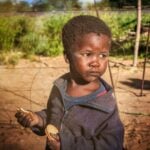
British High Commissioner to Uganda, Her Excellency Lisa Chesney, hosted a networking reception at her residence in Nakasero to celebrate Ugandan innovators and socio-champions recognised by the United Kingdom for their contributions to social impact, sustainability, and innovative solutions to global challenges. During the event, 19-year-old Ugandan climate activist Pascal Ahaisibwe was awarded the King’s… [Read More]
Ireland Commits Substantial Aid for Gaza as Humanitarian Crisis Intensifies
Tánaiste Simon Harris has announced that Ireland will provide an additional €6 million in humanitarian aid for people in Gaza as UN and humanitarian agencies prepare to scale up relief efforts following the ceasefire. The funding will be distributed among Ireland’s UN partners, with €2 million each going to UNICEF and OCHA, €1 million to… [Read More]
South Sudan’s Political Crisis and Corruption Escalate Human Rights Violations, UN Says
The Commission on Human Rights in South Sudan issued a warning after concluding a mission to the African Union headquarters in Addis Ababa, highlighting the country’s escalating political crisis and violence. Since gaining independence in July 2011, South Sudan has faced recurring conflict, most notably the outbreak of deadly fighting in late 2013 between forces… [Read More]
Gaza Aid: UN Releases $11 Million as Fragile Hope Emerges After Ceasefire

The United Nations has announced an $11 million allocation to support immediate humanitarian aid across the Gaza Strip, covering essential needs such as food, water, healthcare, and shelter for civilians affected by two years of conflict. This follows a $9 million allocation last week for fuel supplies for hospitals and critical services, bringing total recent… [Read More]
WHO Strengthens Disease Detection and Response Through Advanced Health Intelligence Platform

The World Health Organization (WHO) has launched version 2.0 of its Epidemic Intelligence from Open Sources (EIOS) system, a global platform for early detection of public health threats. Since its creation in 2017, EIOS has expanded to over 110 Member States and nearly 30 partner organizations worldwide. The upgraded system incorporates new data sources and… [Read More]
Maldives First Country to Eliminate Mother-to-Child Transmission of HIV, Syphilis, and Hepatitis B

The World Health Organization (WHO) has officially validated the Maldives for eliminating mother-to-child transmission (EMTCT) of hepatitis B, complementing its 2019 validation for HIV and syphilis. This makes the Maldives the first country globally to achieve ‘triple elimination’ of these diseases, a milestone underscoring strong political will and sustained investment in maternal and child health…. [Read More]
Pandemic Fund Empowers Ethiopia with ICT and Laboratory Upgrades for Health Security
Addis Ababa, 24 September 2025 — The World Health Organization (WHO) has delivered 315 computers, including 165 laptops and 150 desktops, to the Ethiopian Public Health Institute (EPHI) through the Pandemic Fund: Ethiopia Multi-Sectoral Prevention, Preparedness, and Response Project (EPPR). This initiative marks a significant step in strengthening Ethiopia’s capacity for pandemic preparedness, early detection,… [Read More]
Global Media Awards 2025: Save the Children Announces Finalists

Save the Children International has announced the finalists for its Global Media Awards 2025, celebrating excellence in journalism that highlights critical child rights issues worldwide. The awards recognize the vital role of journalists in uncovering stories that drive awareness, inspire action, and create positive change for children. The 2025 awards continue the tradition established in… [Read More]
Philippines Faces Productivity Challenge Amid Growth and Job Struggles

The Philippines has made steady progress in recent years, but its economic growth continues to lag behind regional peers. Between 2010 and 2024, the country’s GDP grew at an average of 5.3 percent—slower than Korea and Malaysia’s 7–10 percent growth during similar development phases. Most new jobs are concentrated in low-productivity, low-wage service sectors, and… [Read More]
Hungary’s Rule of Law Crisis Under Scrutiny in Key EU Hearing

European Union member states are set to meet on October 21, 2025, to discuss Hungary’s growing erosion of the rule of law. Human Rights Watch urges the EU Council to vote on whether Hungary poses a serious breach of EU treaty values, emphasizing the need for decisive action against Prime Minister Viktor Orbán’s government. The… [Read More]
Women Leading the Way in Disaster Risk Reduction Strategies
Climate and environmental challenges are increasingly frequent and severe, reshaping lives worldwide. While disasters affect everyone, their impact is disproportionately felt by marginalized groups, particularly women and girls, who are often the first to suffer and the last to recover. Social roles, discrimination, and economic inequalities amplify the risks women face in crises, reducing communities’… [Read More]


