
Children’s mental health is a critical aspect of overall well-being and development, particularly in rural India, where unique challenges exacerbate the risks of anxiety, depression, behavioral disorders, and PTSD. Lack of awareness, cultural stigma, and limited access to mental health resources often prevent early detection and treatment. Untreated mental health issues can negatively impact education,… [Read More]
Digital Classrooms: How Technology Is Reducing the Rural–Urban Education Divide
Education is a cornerstone of child development, yet a significant divide exists between urban and rural areas in India. While urban children benefit from well-equipped schools, trained teachers, and additional learning resources, many rural children face limited access to quality education, fewer teaching staff, inadequate learning materials, and minimal exposure to technology. This disparity affects… [Read More]
From Goats to Bytes: A Rural Community’s Digital Transformation Journey

Access to digital technology and the Internet plays a crucial role in strengthening educational skills, yet rural communities often face persistent barriers such as geographic isolation, limited infrastructure, cultural factors, and socioeconomic constraints that widen the digital divide. To address these challenges, the Mawingu Foundation has partnered with the pastoral community of Il-Ngwesi in Kenya… [Read More]
Six Lessons from Internet Governance Forums Shaping the Future of the Internet
The Internet underpins modern life by enabling access to education, healthcare, commerce, and civic participation, raising critical questions about how it is governed and who ensures it remains open, secure, and inclusive. The Internet Governance Forum (IGF), convened by the United Nations, addresses these questions by providing a global, multistakeholder platform where governments, civil society,… [Read More]
Scaling Sustainable Practices to Build Resilient Agrifood Systems
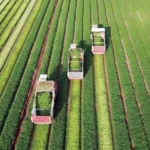
The agriculture sector is a cornerstone of Kenya’s economy, contributing about 20 percent of GDP and providing livelihoods for more than 40 percent of the population, including over 70 percent of rural households. Beyond Kenya, agriculture underpins food security, employment, and economic growth across Africa. However, agrifood systems are under increasing strain from climate change,… [Read More]
Aid Organizations Condemn Israel’s Move to Block NGOs from Gaza Amid Worsening Winter Conditions
Senior United Nations officials and humanitarian leaders have urged Israel to reverse plans to withhold registration from more than three dozen international NGOs operating in Gaza and the Israeli-occupied West Bank, warning that the move would critically undermine life-saving aid at a time of extreme humanitarian need. Israel says 37 NGOs failed to meet new… [Read More]
How Solar-Powered Boreholes Are Transforming Water Access in Drought-Affected Somalia

At least 23,000 people in Somalia have gained access to safe drinking water following the completion of two new solar-powered boreholes in Awrboogays in Sanag and Bacadwyen in Galkayo. Handed over to local communities, the boreholes mark the first phase of a broader initiative to improve water access in four drought-affected districts, with a long-term… [Read More]
Bangladesh Takes Key Steps Toward Developing Its First Climate Finance Strategy
Bangladesh has taken a significant step toward developing its first National Climate Finance Strategy, aimed at closing the gap between ambitious climate commitments and the financing required to protect vulnerable communities. Through nationwide consultations held between November and December 2025, led by the Finance Division with technical support from UNDP and financing from Agence Française… [Read More]
WHO-Supported Training Enhances Indonesia’s National Diphtheria Laboratory Skills
From 27–30 October 2025, Jakarta, Indonesia, hosted a four-day laboratory training workshop aimed at strengthening the national capacity for the timely detection and confirmation of diphtheria cases. Eighteen laboratory professionals from across Indonesia participated in the program, which focused on enhancing skills necessary for rapid diagnosis to support outbreak prevention and public health response. Diphtheria… [Read More]
National PRET Exercise Strengthens Indonesia’s Pandemic Readiness
The Government of Indonesia, with support from the World Health Organization (WHO), conducted a national Preparedness and Resilience for Emerging Threats (PRET) table-top exercise (TTX) from 24–26 September 2025. The exercise brought together 44 institutions and 65 participants from national and subnational levels to test whole-of-government coordination across the five PRET pillars: emergency coordination, collaborative… [Read More]
Private Finance for Sustainable Development: Preparing for Uncertain Times
In 2018, Vietnam launched its first industrial-scale solar power plant on 300 hectares of hard-to-farm land in the country’s poorest province. With initial donor support of about $20 million from Switzerland and others, the project attracted an additional $147 million in private investment, supplying electricity to 200,000 homes and cutting 240,000 tonnes of CO2 emissions… [Read More]
Student Activists Remain in Custody as India’s Top Court Rejects Bail

India’s Supreme Court on January 5 denied bail to prominent student activists Umar Khalid and Sharjeel Imam, who have been held without trial for over five years. While the court granted bail to five others arrested in the same case, it held that Khalid and Imam were on a “qualitatively different footing,” justifying their continued… [Read More]
The Impact of Clean Water on African Children: Health, Education, and a Brighter Future

Bread and Water for Africa®’s WASH (Water, Sanitation and Hygiene) program is making a transformative impact across sub-Saharan Africa by providing communities with access to clean water, reliable sanitation facilities, and essential hygiene education. These efforts protect students from infectious diseases while enabling them to focus on learning and overall well-being. Access to safe water… [Read More]
Africa’s Start-Up Funding in 2025: Reasons Behind the Decline

Africa’s start-up funding showed a slowdown in 2025, with investors increasingly concentrating capital at the seed and early stages amid rising market uncertainty. According to the African Private Capital Association (AVCA), venture capital activity in the nine months to September 30, 2025, was heavily focused on early growth phases, while late-stage activity was extremely limited,… [Read More]
School Meals Transform Health, Learning, and Futures in Bhutan

In the remote highlands of Sakteng, Bhutan, the National School Feeding Programme is transforming schools into vital community hubs that nourish children and support local livelihoods. For families in eastern Bhutan, where nomadic Brokpa traditions and limited access to basic services make life challenging, schools are more than educational spaces—they provide nutrition, safety, and a… [Read More]
How Investing in Children Fuels Economic Growth and Protects Lives in West Africa
A targeted investment of $2.5 million by the United Nations Capital Development Fund (UNCDF) is set to transform the humanitarian supply chain for child nutrition in West Africa, particularly in Nigeria. The initiative aims to build local manufacturing capacity for Ready-to-Use Therapeutic Foods (RUTFs), a peanut-based nutrient-rich product used to treat malnourished children. By strengthening… [Read More]
NGOs and Disability Data: Enhancing Inclusion in Emergency Response

Humanitarians aim to ensure no one is left behind, yet traditional data collection during disasters often overlooks people with disabilities. Research indicates that individuals with disabilities are up to four times more likely to die in emergencies, highlighting the urgent need for inclusive approaches. A new innovation, co-created and tested with people with disabilities, seeks… [Read More]
New Year, New Start: Advancing Vocational Training in 2026

New Zealand has taken a significant step in strengthening its vocational education system, with the official launch of ten regionally governed polytechnics and eight new Industry Skills Boards, Vocational Education Minister Penny Simmonds announced. The move marks a shift toward a more responsive and locally accountable system, returning decision-making to regions and industry after a… [Read More]
Additional SME Funding Boost Announced by BNM

Bank Negara Malaysia (BNM) has welcomed the announcement by Prime Minister Dato’ Seri Anwar Ibrahim in the 2026 New Year Message regarding an additional allocation for BNM’s Fund for SMEs, alongside the introduction of a credit guarantee scheme. The fund will receive an extra RM2.5 billion, prioritizing support for first-time borrowers. To date, BNM has… [Read More]
Community Funding Boost Strengthens Mental Health Prevention and Early Support
Thousands of New Zealanders will gain faster access to mental health support following a funding boost for four community organisations, according to Mental Health Minister Matt Doocey. The funding aims to remove barriers to support, ensure early intervention, and provide communities and workplaces with timely mental health assistance. Hearts and Minds will expand its early… [Read More]
New Government Investment Targets Mental Health Prevention and Early Support Programs
The government is increasing support for mental health services by allocating additional funding through the Mental Health Innovation Fund, enabling four organisations to expand their programs. For the second round of the fund, the matched funding threshold was lowered from $250,000 to $100,000, making it easier for organisations to access support. The initiative is backed… [Read More]
Faith-Based Organizations Get Creative After USAID Funding Reductions

Churches and affiliated NGOs in Uganda are rapidly adapting to the withdrawal of long-standing funding from the United States Agency for International Development. For decades, these organizations relied heavily on international aid from the U.S., U.K., and European Union to run feeding programs, support clergy families, and build schools and hospitals. Until last year, USAID… [Read More]
Historic Milestone: Gaza’s Basic Food Needs Fully Met in 2026

The January aid round in Gaza marks the first time since October 2023 that partners have had sufficient stock to meet 100 percent of the minimum caloric needs, according to UN Spokesperson Stéphane Dujarric. This represents a significant improvement compared with late 2025, when families received only 50 to 75 percent of the calories required… [Read More]


