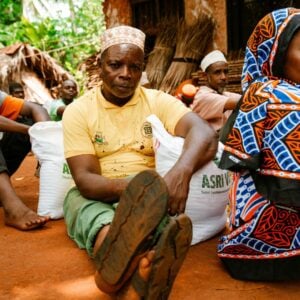
More than 400,000 Chadian nationals have returned from Sudan since the conflict began three years ago, according to data from the International Organization for Migration (IOM). The number has surpassed earlier projections, highlighting the growing humanitarian impact of the crisis and placing significant pressure on already vulnerable communities and public services in eastern Chad.
During a recent visit to Chad, IOM Deputy Director General for Management and Reform SungAh Lee emphasized the difficult journeys many returnees have endured. Many women and children traveled for weeks under harsh conditions, often caring for orphaned or separated children along the way. She stressed the importance of ensuring that returnees receive not only emergency assistance but also protection, healthcare, dignity, and long-term support.
A large proportion of returnees have settled in eastern provinces such as Ouaddaï, Wadi Fira, and Sila, either in spontaneous settlements or among host communities. Many arrived with few resources and face urgent needs related to shelter, clean water, healthcare, household supplies, and protection services. The crisis has particularly affected women and children, who represent the majority of the returnee population.
The arrival of hundreds of thousands of people has intensified existing challenges in eastern Chad, a region that was already struggling with limited infrastructure and humanitarian needs before the Sudan conflict began. Increased demand for water, housing, healthcare, and other essential services has placed additional strain on local communities and authorities.
Many returnees face difficult circumstances upon arrival. Some have returned to areas they barely know, lacking land ownership, official documentation, or family support networks. Despite their vulnerability, returnees often receive less attention than other displaced populations, leaving many without adequate support to rebuild their lives.
Since the onset of the crisis, IOM has worked closely with the Government of Chad, local authorities, and humanitarian partners to provide assistance. Efforts have included shelter support, water and sanitation services, cash assistance, protection programs, and mental health and psychosocial care for both returnees and host communities.
As the conflict enters its fourth year, IOM warns that emergency aid alone is no longer sufficient. The organization is calling for greater investment in livelihoods, community infrastructure, and locally led recovery initiatives to help returnees achieve long-term stability and self-reliance.
With returnees now representing nearly one-third of all people arriving in Chad from Sudan, the situation has evolved into a long-term development challenge. IOM argues that a comprehensive response combining humanitarian assistance with sustainable recovery measures is essential to support both returnees and the communities hosting them.