Four days after a powerful earthquake struck the Philippines, humanitarian conditions remain critical in parts of Mindanao, where access to isolated communities is still severely limited, according to CARE Philippines.
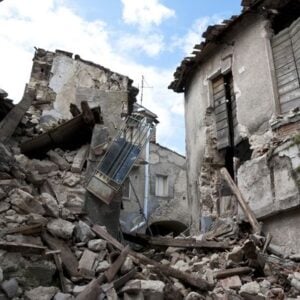
More than 400,000 people have been affected, with tens of thousands displaced, 47 confirmed deaths, and widespread damage to homes and infrastructure. Many communities remain cut off due to landslides, damaged roads, and collapsed bridges, while some areas can only be reached by boat or helicopter. Since June 8, authorities have recorded over 3,000 aftershocks and multiple magnitude 6.0 tremors, further complicating relief efforts and making travel dangerous.
Humanitarian workers warn that delays in reaching remote areas are leaving families without access to food, clean water, and medical care. CARE Philippines reports that some residents are unable to return home due to the risk of further landslides and unstable terrain, with continuing aftershocks increasing fears of additional disasters.
The crisis is particularly severe in upland and rural communities, where livelihoods have been destroyed and infrastructure damage has cut off access to basic services. In several areas, residents describe losing homes, agricultural assets, and income sources, leaving families uncertain about how to recover.
CARE Philippines has also raised concerns about heightened risks faced by women and girls in evacuation centers, including overcrowding, lack of privacy, and limited access to hygiene supplies. These conditions increase vulnerability to gender-based violence and worsen existing inequalities in affected communities.
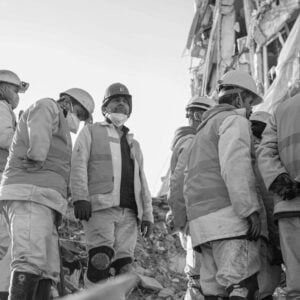
Through the ACCESS Consortium, CARE and its partners have begun delivering emergency assistance, including hygiene kits, clean water, and psychosocial support to affected families. However, with an estimated 85,000 families impacted across hundreds of communities, humanitarian needs far exceed current response capacity.
Aid organizations stress that the coming days are critical for scaling up access and coordination. They warn that continued delays could deepen the humanitarian crisis, particularly in hard-to-reach areas already facing environmental instability and limited infrastructure.
CARE Philippines has called for urgent, coordinated action to ensure that all affected communities are reached, emphasizing that no population should be left isolated during the disaster response.