A powerful 7.8 magnitude earthquake that struck off the coast of Sarangani Province in the Philippines has displaced tens of thousands of people and caused widespread damage to homes, schools, roads, and critical water systems, according to humanitarian reports.
The earthquake, which hit on June 8, 2026, affected more than 197,000 people across several regions in Mindanao, including Sarangani, South Cotabato, Sultan Kudarat, Davao Occidental, and General Santos City. More than 25,000 people remain displaced as families continue to shelter in evacuation centers, open spaces, and temporary makeshift shelters.
Emergency authorities report that more than 2,000 aftershocks have been recorded since the initial quake, increasing fears of further structural collapse and preventing many residents from returning safely to their homes. Damaged infrastructure has also complicated rescue and relief efforts, with some communities cut off due to landslides and destroyed roads.
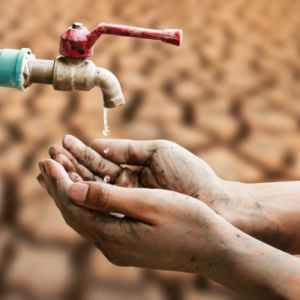
One of the most urgent challenges is access to safe drinking water. Local water systems have been severely damaged in several municipalities, leaving many families dependent on unsafe or rationed water sources. Humanitarian responders warn that this significantly increases the risk of waterborne diseases, particularly among children and other vulnerable groups.
Action Against Hunger has deployed emergency response teams to conduct rapid needs assessments and coordinate with local authorities and humanitarian partners. The organization is prioritizing access to clean water, sanitation support, emergency shelter, food assistance, medical supplies, and psychosocial care for affected communities.
Health facilities and schools in the region have also been heavily impacted, with thousands of classrooms damaged and healthcare services strained by shortages of essential supplies. Authorities have suspended classes as safety assessments continue.
Humanitarian teams emphasize that beyond physical destruction, many families are experiencing significant emotional distress, particularly children, elderly individuals, and people with disabilities who face heightened vulnerability during prolonged displacement.
Relief efforts are ongoing, with agencies working to expand emergency assistance and restore access to essential services. Humanitarian organizations are calling for increased support to ensure affected communities receive immediate life-saving aid and long-term recovery assistance as the situation evolves.