The Pan American Health Organization (PAHO) has issued an Epidemiological Alert urging countries across the Americas to strengthen routine immunization programs and close vaccination gaps following a significant rise in diphtheria cases during 2026. The organization warned that declining vaccination coverage is increasing the risk of outbreaks and leaving vulnerable populations exposed to a preventable disease.
According to PAHO, the Americas reported 163 confirmed diphtheria cases and five deaths during the first 21 weeks of 2026. This figure is more than double the number of cases recorded during the same period in 2025 and significantly higher than the regional average observed in recent years. Cases were identified in Brazil, Haiti, and Peru, with Haiti accounting for the overwhelming majority of infections and all reported fatalities.
Health authorities noted that more than half of the confirmed cases occurred among individuals who were either unvaccinated or whose vaccination status was unknown. This finding highlights the critical role of immunization in preventing disease transmission and reducing severe outcomes associated with diphtheria.
The rise in cases comes at a time when vaccination coverage in the region remains below recommended levels. In 2024, coverage for the third dose of the diphtheria, tetanus, and pertussis (DTP3) vaccine reached only 87 percent across the Americas. This remains well below the 95 percent coverage target considered necessary to achieve community protection and prevent outbreaks. Several countries continue to report vaccination rates below 80 percent, while others experience substantial dropout rates between initial and subsequent vaccine doses.
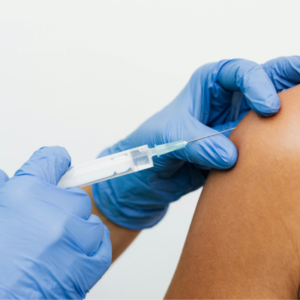
PAHO emphasized that countries should prioritize closing these immunization gaps through strengthened routine vaccination programs, catch-up campaigns, and follow-up activities. The organization also recommends using microplanning strategies to identify populations that may have missed vaccinations and ensure they receive the necessary doses.
In addition to vaccination efforts, PAHO is encouraging countries to reinforce epidemiological surveillance systems for vaccine-preventable diseases. Enhanced monitoring can help health authorities detect cases quickly, respond to outbreaks more effectively, and prevent wider transmission. The organization also called for improved laboratory capacity to confirm suspected cases rapidly and accurately.
The alert stresses the importance of ensuring adequate supplies of diphtheria antitoxin and training healthcare workers in outbreak detection, case management, and response procedures. Strengthening health system preparedness is viewed as an essential component of reducing the impact of future outbreaks.
Diphtheria is a serious bacterial infection caused by Corynebacterium diphtheriae. The disease spreads through respiratory droplets and is characterized by the formation of a thick membrane in the throat and tonsils, which can obstruct breathing. If not treated promptly, toxins released by the bacteria can cause severe complications affecting the heart and nervous system, and in some cases may be fatal.
Although the Americas have made substantial progress in controlling diphtheria over recent decades, the disease continues to circulate in various parts of the world. PAHO warned that declining vaccination rates create conditions that allow previously controlled diseases to re-emerge, particularly in communities with insufficient immunization coverage.
To strengthen protection, PAHO recommends that countries achieve and maintain at least 95 percent coverage for the primary three-dose DTP vaccination series and all recommended booster doses. The organization also encourages public awareness campaigns to improve understanding of diphtheria symptoms, emphasize the importance of vaccination, and encourage timely healthcare seeking behavior.