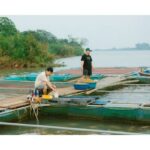
A new wave of rural entrepreneurs across Latin America and the Caribbean is transforming agriculture by integrating science, technology, and sustainability into traditional farming systems. According to a recent initiative by the Inter-American Institute for Cooperation on Agriculture (IICA) and FONTAGRO, this emerging ecosystem is redefining agriculture beyond food production to include biomass utilization, carbon… [Read More]
cat
IMPACT Kenya’s Indigenous-Led Conservation Model Gains Momentum Through GEF Funding

Vivian Silole, Head of Strategic Partnerships, Collaboration, and Sustainability at IMPACT Kenya, has highlighted how direct funding from the Global Environment Facility (GEF) is transforming Indigenous-led conservation efforts in northern Kenya. IMPACT Kenya works with pastoralist communities whose livelihoods, identity, and traditional knowledge are closely tied to the landscapes and animals they have stewarded for… [Read More]
Pacific Youth Invited to Shape Regional Climate Agenda Ahead of COP31
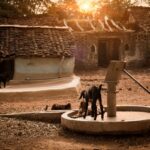
Pacific youth are being invited to take part in shaping a regional climate action vision ahead of COP31 in Türkiye, as the United Nations Development Programme (UNDP) Pacific Office launches a new youth engagement initiative aimed at strengthening young people’s role in climate decision-making. The program will begin with a series of “talanoa” dialogues in… [Read More]
Muskegon Farmers Market Awarded $481,000 Grant for Expansion

The Muskegon Farmers Market in Muskegon, Michigan, has received a $481,267 grant from the Michigan Department of Agriculture and Rural Development (MDARD) to support major upgrades to its indoor market and Kitchen 242 facility. The funding, approved earlier this week, will help expand food production capabilities and provide additional resources for local vendors. Improvements include enhanced… [Read More]
Ebola Outbreak in DRC Escalates Rapidly as Global Health Systems Face Strain

A fast-moving Ebola outbreak in the Democratic Republic of Congo (DRC) is continuing to spread across the country’s northeast, raising concerns among global health agencies about containment challenges and weakened international response capacity. According to the World Health Organization (WHO), the outbreak has now resulted in more than 800 suspected and confirmed cases, including over… [Read More]
WWF Warns Rising Marine Threats Are Endangering Pacific Ocean Ecosystems

Conservation experts from the World Wide Fund for Nature (WWF) have raised concerns over increasing threats to marine life across the Pacific, warning that human activities are placing growing pressure on fragile ocean ecosystems. WWF representatives say ship strikes, illegal, unreported and unregulated (IUU) fishing, and plastic pollution are emerging as some of the most… [Read More]
EU Allocates €21 Million to Strengthen Albanian Armed Forces Under Peace Fund

The Council of the European Union has approved an additional €21 million in support to strengthen the capabilities of the Albanian Armed Forces, marking the third bilateral assistance measure under the European Peace Facility. With this latest allocation, total EU support to Albania under the framework has reached €49 million, reflecting continued efforts to enhance… [Read More]
Scapia Secures $63 Million in Funding to Expand Fintech Offerings

Scapia, a Bengaluru‑based fintech startup, has raised $63 million in a funding round co‑led by General Catalyst, Peak XV Partners, and Z47 Ventures, marking one of the largest investments in India’s travel‑focused financial technology sector this year. Founded by Anil Goteti, former senior executive at Flipkart, Scapia offers a co‑branded credit card and app that combine travel rewards with seamless digital… [Read More]
ADB Warns Bangladesh Must Accelerate Reforms Ahead of LDC Graduation

Bangladesh is entering a critical reform phase ahead of its scheduled graduation from the Least Developed Country (LDC) category, according to a new report by the Asian Development Bank (ADB), which highlights significant governance, fiscal, and institutional challenges that could affect the country’s long-term economic stability. In its report titled “Bangladesh at a Crossroads of… [Read More]
Bangladesh Bank Launches Tk 600 Billion Refinancing Fund to Revive Private Sector Growth
Bangladesh Bank has launched a Tk 600 billion refinancing and support package aimed at revitalizing the country’s slowing private-sector economy, boosting employment, and restoring industrial and agricultural activity. The central bank introduced the stimulus programme on Saturday, describing it as a key part of the government’s broader economic recovery agenda. Officials said the initiative is… [Read More]
Bangladesh Bank Allows Foreign Currency Term Deposits for Shipping Companies and Airlines

Bangladesh Bank has introduced a new policy permitting Bangladeshi shipping companies and airlines engaged in international operations to place their foreign currency account balances into interest-bearing or profit-generating renewable term deposits. The central bank issued a circular on Sunday outlining the new facility, which allows Authorized Dealer (AD) banks to convert eligible foreign currency account… [Read More]
StrainX Bioworks Raises $13 Million as It Exits Stealth Mode

StrainX Bioworks, a synthetic biology startup based in India, has secured $13 million (₹124 crore) in funding as it emerges from stealth mode, marking one of the largest early‑stage investments in the country’s biotech sector. The round was co‑led by Prime Venture Partners and Leo Capital, with participation from Good Startup, Sparrow Capital, Sun Icon Ventures, Dholakia Ventures, and WindT (IIT Delhi) Angels. Founded by Akshay Mittal and Alok Malaviya, both… [Read More]
Foreign Loan Disbursement to Bangladesh Falls Nearly 19% Amid Economic Slowdown

Foreign loan disbursement to Bangladesh declined sharply by almost 19% in the first nine months of the 2025–26 fiscal year, reflecting a slowdown in external financing amid ongoing political and economic instability. According to the Economic Relations Division (ERD), development partners and international lending agencies disbursed $3.89 billion in loans and grants between July and… [Read More]
ADB to Provide $1.4 Billion Funding Package to Support Bangladesh’s Development Projects

The Asian Development Bank (ADB) has committed $1.4 billion in financing to Bangladesh to support four major development projects aimed at strengthening economic governance, social protection systems, and infrastructure expansion across the country. The financing agreement was formally signed between Bangladesh’s Economic Relations Division under the Ministry of Finance and the ADB during a bilateral… [Read More]
Vietnam’s Bright Future Fund Secures Over $84.6 Million to Support Cancer Patients

Vietnam’s “Bright Future” Fund has received more than $84.6 million in donations to support disadvantaged cancer patients, marking a significant boost in national efforts to improve access to treatment and care for vulnerable groups. The funding, equivalent to over VNĐ2.23 trillion, was pledged during a charity art and fundraising programme held in Ho Chi Minh… [Read More]
ICRC Warns Rising Violence in Latin America and Caribbean Is Making Medical Care Dangerous

The International Committee of the Red Cross (ICRC) has raised serious concerns over increasing violence affecting healthcare systems across Latin America and the Caribbean, warning that seeking medical care is becoming dangerous in several conflict-affected regions. According to the ICRC, attacks, threats, and intimidation against healthcare workers are becoming more frequent in countries such… [Read More]
Spaceflux Secures £5.4 Million Seed Funding to Advance Space Safety

London-based startup Spaceflux has successfully raised £5.4 million (€6.2 million) in seed funding, co-led by the UK Innovation & Science Seed Fund (UKI2S), Foresight Group, and Blackfinch Ventures, with additional backing from Seraphim Space. Founded in 2022, Spaceflux is building a global telescope network and pioneering AI-driven space situational awareness (SSA) technologies to track satellites… [Read More]
Malaysia Launches Social Exchange Platform to Boost Transparency in Charitable Funding

Malaysia’s Securities Commission (SC) has launched a new Social Exchange platform aimed at improving transparency, accountability, and efficiency in charitable fundraising and social impact financing. The initiative is designed to strengthen governance in the non-profit sector while enabling clearer tracking of how donated funds are used. Deputy Finance Minister Liew Chin Tong said the platform… [Read More]
UK Government Launches £30 Million Wildlife-Rich Habitat Fund to Restore England’s Protected Landscapes
The UK Government has announced a £30 million investment aimed at restoring and expanding wildlife habitats across England’s most cherished natural landscapes, including National Parks, National Landscapes, and the Broads. The initiative is part of a broader national strategy to protect 30% of land for nature by 2030 and reverse long-term biodiversity decline. The funding… [Read More]
Developed Countries Surpass USD 100 Billion Climate Finance Goal for Third Consecutive Year, OECD Reports

Developed countries have exceeded the USD 100 billion annual climate finance target for the third consecutive year, providing and mobilising USD 132.8 billion in 2023 and USD 136.7 billion in 2024, according to the latest data from the Organisation for Economic Co-operation and Development (OECD). The findings confirm that the long-standing UN climate finance goal,… [Read More]
Paterson Seeks $5 Million Federal Grant to Renovate Senior Center

City officials in Paterson, New Jersey, have requested $5 million in federal funding to renovate and expand the Riverside Vets Senior Citizen Community Center on Fifth Avenue — the city’s only dedicated recreation space for older residents. The proposed upgrades include installing an elevator, modernizing bathrooms and the kitchen, and refurbishing the lower level to accommodate more programs and… [Read More]
AIOFP Partners with DASH to Launch Foundation Adviser Wrap Platform

The Association of Independently Owned Financial Professionals (AIOFP) has announced a strategic partnership with fintech company DASH to develop a new white-label investment platform called the Foundation Adviser Wrap. The move marks the association’s return to the platform space, aiming to strengthen adviser independence and improve governance standards in the financial advice sector. The initiative… [Read More]
Gates Foundation Announces $15 Million Emergency Funding for Ebola Response in Congo and Uganda

The Bill & Melinda Gates Foundation has committed $15 million in emergency funding to support the ongoing Ebola response in the Democratic Republic of Congo and Uganda, as health authorities work to contain the Bundibugyo strain outbreak across affected regions. The funding aims to strengthen rapid response efforts through key international health institutions already active… [Read More]


