
During her visit to Djibouti, Ugochi Daniels, Deputy Director General for Operations at the International Organization for Migration (IOM), called on the international community to increase investment in comprehensive migration management that integrates humanitarian aid with long-term development. Djibouti, located at the crossroads of the Horn of Africa, plays a crucial role in regional migration… [Read More]
cat
New Save the Children–Qatar Charity Partnership to Aid Children in Crisis Zones
Save the Children and Qatar Charity have announced a new partnership aimed at delivering urgent relief to children and families affected by humanitarian emergencies in the Middle East and globally. The Memorandum of Understanding (MoU) was signed during the World Summit for Social Development in Doha, Qatar, by Save the Children CEO Inger Ashing and… [Read More]
Ukraine’s Universities Embrace Digital Transformation and Emerging Technologies
At I.I. Mechnikov Odesa National University in Ukraine, master’s student Anna Brodarska is working with a newly commissioned liquid chromatograph—an advanced scientific instrument that will play a central role in her future PhD research on chromatography. The new equipment represents a major leap in technical modernization for the university, benefiting both chemistry and biology students…. [Read More]
Nepal Enhances Disaster Preparedness with ADB, IDA, and Switzerland Partnership for Climate-Resilient Infrastructure

The Asian Development Bank (ADB), the World Bank Group’s International Development Association (IDA), and the Swiss Agency for Development and Cooperation (SDC) have signed a three-year Memorandum of Understanding (MoU) to strengthen Nepal’s disaster risk reduction and management and support the development of climate-resilient infrastructure. This partnership reaffirms their joint commitment to helping the Government… [Read More]
WFP Receives Chinese Support to Assist Communities Facing Severe Drought in Zambia

The United Nations World Food Programme (WFP) has received a contribution from the Government of the People’s Republic of China to locally procure over 5,600 metric tonnes of maize to provide food assistance to drought-affected communities in Zambia. Through China’s Global Development and South-South Cooperation Fund, the support will enable WFP to purchase maize from… [Read More]
Italy Donates Crucial Funds to WFP for Sudanese Refugee Aid in Libya

The United Nations World Food Programme (WFP) in Libya has received a generous contribution of EUR 3 million from the Italian Ministry of Foreign Affairs and International Cooperation through the Italian Agency for Development Cooperation to address the urgent food needs of Sudanese refugees and Libyan host communities. This support comes in response to the… [Read More]
FAO supports Malawi in enhancing fish value chains for better nutrition and community income
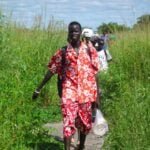
Johannesburg, South Africa: The Government of Malawi, in collaboration with the Food and Agriculture Organization of the United Nations (FAO) and local fisheries cooperatives, is scaling up fish-based products to enhance school feeding programs, improve child nutrition, and create income-generating opportunities for small-scale aquatic food producers. The “Linking Small-Scale Aquatic Food Producers to the School… [Read More]
Stepwise Agribusiness Programme Transforms Mozambique’s Smallholder Farmers into Agripreneurs
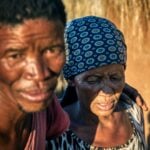
Johannesburg, South Africa: The Food and Agriculture Organization of the United Nations (FAO), in collaboration with the Government of Mozambique and the European Union, is helping smallholder farmers transition from subsistence farming to inclusive agribusiness through the PROMOVE Agribiz programme. Implemented in Nampula and Zambézia provinces, the initiative strengthens rural resilience and food security by… [Read More]
FAO Supports Seychelles in Eco-Friendly Sandfish Farming for Food Security and Marine Conservation
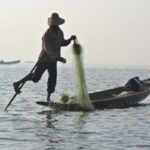
Seychelles is advancing sustainable sandfish aquaculture to protect fragile marine ecosystems while generating new economic opportunities for coastal communities. With wild sea cucumber stocks under pressure from overharvesting, the initiative supports the country’s blue economy agenda by reducing dependence on natural populations and promoting environmentally responsible livelihoods. The programme, highlighted at the 19th FAO Subregional… [Read More]
South Africa Enhances Rural Livestock Care by Training Veterinary Paraprofessionals
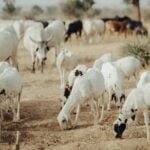
Johannesburg, South Africa is enhancing rural livelihoods and livestock health through a pioneering programme that equips veterinary paraprofessionals with clinical, business, and entrepreneurial skills. Led by the Food and Agriculture Organization of the United Nations (FAO) in collaboration with national partners, the initiative enables Animal Health Technicians to establish Primary Animal Healthcare businesses that deliver… [Read More]
Biological Solutions Boost Maize Production as Tanzania Tackles Fall Armyworm
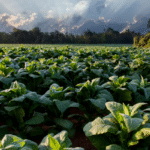
The United Republic of Tanzania is advancing sustainable pest management through the deployment of indigenous biological control agents to combat Fall Armyworm, a pest that has caused over USD 300 million in agricultural losses since its arrival in the country. With support from the Food and Agriculture Organization of the United Nations (FAO), scientists and… [Read More]
Harnessing Behavioural Science: Zambia Promotes Climate-Smart Farming Practices
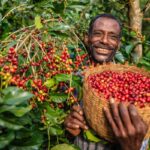
Zambia is enhancing climate resilience and sustainable food systems by integrating behavioural science into climate-smart agriculture training and extension services. Through collaboration between the Sustainable Intensification of Agriculture in Zambia (SIFAZ) and FACE-NDC projects, the initiative supports smallholder farmers in adopting climate-smart technologies and sustainable intensification practices at scale. The approach, which combines climate education,… [Read More]
Enhancing Team Collaboration: FAO Pilot Training Boosts Programme, Operations, and Administration Integration in Dakar

The Subregional Office of the Food and Agriculture Organization of the United Nations (FAO) for West Africa in Dakar hosted its first-ever pilot training session from October 27 to 29, 2025, organized by the FAO Finance Division (CSF). The training aimed to enhance collaboration between Programme, Operations, and Administration teams to ensure more effective project… [Read More]
Building Resilient Seed Systems in Comoros to Enhance Food Security

The Food and Agriculture Organization of the United Nations (FAO), in partnership with the African Development Bank, is supporting Comoros in developing a resilient national seed system to reduce dependence on imports and enhance food security. Through the SEPAREF project, the country is laying the foundation for sustainable, climate-adapted agriculture across its islands. Comoros faces… [Read More]
Banda Chibia Dam in Angola: Driving Climate-Resilient Agriculture and Innovation
In southern Angola, where recurrent droughts have long threatened food security and livelihoods, the Banda Chibia Dam is providing a transformative solution. Led by the Food and Agriculture Organization of the United Nations (FAO), in partnership with the Government of Angola and the European Union, the project delivers sustainable water management that supports climate-smart agriculture… [Read More]
Advancing Agricultural Standards in Botswana to Improve Food Safety and Trade

The Food and Agriculture Organization of the United Nations (FAO), in partnership with Botswana’s Ministry of Entrepreneurship, has successfully scaled up Good Agricultural Practices (GAP) and Quality Management Systems (QMS) across priority value chains, enhancing food safety, market competitiveness, and sustainable agricultural production. This initiative represents a significant step toward transforming Botswana’s agrifood systems. Implemented… [Read More]
Nature-Based Horticulture in Eswatini Enhances Climate Resilience and Supports Rural Communities

The Food and Agriculture Organization of the United Nations (FAO), in partnership with the Government of Eswatini and the National Agricultural Marketing Board (NAMBOARD), is supporting smallholder farmers to adopt climate-smart horticulture solutions that improve food security, strengthen resilience, and create economic opportunities in rural communities. The initiative equips farmers with protected cultivation technologies, including… [Read More]
Lesotho Accelerates Potato Value Chain Development to Strengthen Food Security

The Government of Lesotho, in partnership with the Food and Agriculture Organization of the United Nations (FAO) and the Potato Lesotho Association, is scaling up potato production to enhance food security, improve rural livelihoods, and strengthen climate resilience. Under the One Country One Priority Product initiative, potatoes have been identified as a strategic agricultural commodity,… [Read More]
Gabon Expands Commercial Aquaculture with FAO Support

The FAO Sub-Regional Office in Gabon, in partnership with the Gabonese government, organized a three-day seminar on the formulation and manufacture of extruded fish feed, aiming to strengthen the development of commercial aquaculture in the country. This initiative built on the achievements of the technical cooperation project TCP/GAB/3803, which focused on improving the availability of… [Read More]
Climate-Smart Farmer Field Schools in Madagascar Enhance Child Nutrition and Community Learning
Madagascar is enhancing community-based nutrition and climate-smart agriculture through Farmer Field Schools (FFS), supporting households with young children to adopt healthier diets, diversify food production, and strengthen resilience. Implemented in the Vatovavy Region, the initiative targets families with children under two years old, equipping them with practical agricultural skills and nutrition knowledge to reduce child… [Read More]
Climate-Smart Practices Transform Small-Scale Fisheries in Namibia

Namibia is advancing climate-smart and inclusive development in small-scale fisheries through innovative post-harvest practices that empower coastal and riverine communities. Under FAO’s Small-Scale Fisheries Guidelines Phase 2, the country is enhancing value addition, promoting gender equality, and strengthening adaptive governance to build resilient, equitable food systems while improving livelihoods across its fishing communities. This approach… [Read More]
WHO and Bayer AG Strengthen Collaboration to Eliminate Key Neglected Tropical Diseases

The World Health Organization (WHO) and Bayer AG have renewed their longstanding collaboration to support endemic countries in scaling up free-of-charge treatment for three deadly neglected tropical diseases (NTDs). This renewed partnership, spanning 2025 to 2030, continues Bayer’s contributions of quality-assured medicines and financial support for global programs targeting Chagas disease, human African trypanosomiasis (sleeping… [Read More]
New HPV Vaccination Drive in Angola Aims to Prevent Cervical Cancer in Girls

Angola has launched one of the largest public health campaigns in its history, focusing on vaccination against Human Papillomavirus (HPV), the main cause of cervical cancer. The campaign aims to protect more than two million girls aged 9 to 12 across the country between October 27 and November 7. Cervical cancer is a leading cause… [Read More]


