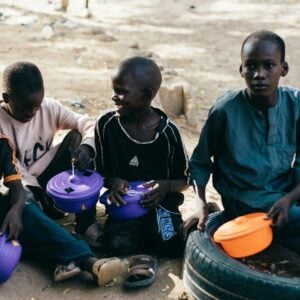
Somalia is facing a worsening humanitarian emergency as prolonged drought, irregular seasonal rains, flash floods and rising fuel prices continue to increase food insecurity and displacement across the country. According to the United Nations Office for the Coordination of Humanitarian Affairs (OCHA), millions of people are struggling with severe shortages of food, water and basic services while humanitarian agencies face major funding gaps.
The UN reported that more than 5 million people have already been affected by drought conditions, while approximately 4.8 million people are expected to require humanitarian and protection assistance during 2026. Somalia’s humanitarian response plan currently requires around US$852 million in funding, but only 15 per cent of that target has been secured so far, limiting relief efforts across vulnerable regions.
Somalia continues to experience one of its longest and most severe drought periods after consecutive failed rainy seasons since 2024. Although the recent Gu rains between April and June brought temporary improvements in some southern and central areas, many communities continue to face depleted water sources, destroyed livelihoods and high levels of malnutrition.
The drought has displaced more than 500,000 people, particularly pastoralist and agro-pastoralist families searching for water, grazing land and food supplies. Livestock losses have severely weakened household incomes and reduced communities’ ability to recover from repeated climate shocks.
At the same time, localized flash floods have affected several regions including Middle Shabelle, Gedo, Galgaduud and Togdheer. Flooding damaged shelters in overcrowded displacement camps and increased the spread of water-borne diseases among vulnerable families. In Togdheer’s Buuhoodle area, floods reportedly killed two people, injured dozens and displaced over 250 families, while floods in Galgaduud caused the death of around 6,000 livestock and affected hundreds of pastoralist households.
Food insecurity levels continue to rise sharply across the country. According to the February 2026 IPC analysis, approximately 6.5 million people are facing crisis-level hunger or worse, including around 2 million people in emergency conditions. In addition, nearly 1.8 million children are at risk of acute malnutrition due to food shortages and poor living conditions.
The humanitarian situation has also been worsened by rising fuel and commodity prices linked to tensions in the Strait of Hormuz and broader instability in the Middle East. OCHA warned that disruptions in global supply chains are increasing operational costs for humanitarian agencies and making essential goods more expensive across Somalia.
Fuel prices have reportedly increased from around US$0.60 to US$1.50 per litre in recent weeks, causing higher transportation and food prices. Imported goods such as rice, sugar and wheat flour have risen by more than 50 per cent in some markets, while water prices in drought-affected communities have increased by as much as 300 per cent.
UN Emergency Relief Coordinator Tom Fletcher recently warned that hunger, climate shocks and severe funding shortages are pushing Somalia toward an even deeper humanitarian crisis. During his visit to Mogadishu and Baidoa, he met displaced families and aid workers struggling to respond to growing needs across the country.
OCHA also reported that more than 300 health facilities across Somalia have either closed or become non-functional due to lack of funding. Humanitarian agencies warned that additional health and relief services could shut down without urgent international financial support, leaving millions of vulnerable people at even greater risk.