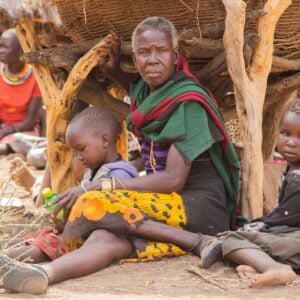
The anniversary of the conflict in Sudan highlights both the immense needs and the collective efforts to respond. In North Darfur, Tawila has become a refuge for displaced families, with Debaneira camp now one of the largest, hosting thousands of individuals who fled Zamzam camp in El Fasher. Living conditions remain extremely strained, with limited resources under growing pressure.
Through a partnership with the Sahari Organization, a cash‑for‑work program was introduced, allowing internally displaced persons to earn income by engaging in environmental cleaning activities. This intervention not only provided immediate financial support but also improved sanitation, reduced health risks, and promoted hygiene awareness to prevent cholera outbreaks. Communities reported tangible benefits, including cleaner environments and better access to income amid severe economic hardship.
This milestone demonstrates the value of locally led, integrated responses where national partners play a central role in delivering timely and sustainable support. Yet, as the conflict enters its fourth year, displacement continues to rise, infrastructure remains fragile, and uncertainty dominates daily life.
The anniversary serves as a reminder that sustaining and scaling effective interventions is essential. Strengthening local partnerships, expanding integrated approaches, and ensuring continued support for communities on the frontlines must remain priorities. As long as the crisis persists, access to basic needs, dignified livelihoods, and essential services cannot be left to chance.