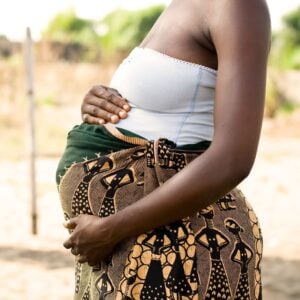
Suriname is strengthening its national efforts to eliminate the mother-to-child transmission of syphilis as part of broader regional health initiatives supported by the Pan American Health Organization (PAHO). The initiative focuses on improving maternal and child healthcare systems, increasing early detection, and ensuring timely treatment for pregnant women affected by syphilis. These measures are considered essential in reducing congenital syphilis cases and improving public health outcomes for mothers and newborns.
The country’s renewed commitment comes amid regional concerns regarding rising syphilis cases and the challenges faced in maintaining consistent screening and treatment services during and after the COVID-19 pandemic. Health authorities are emphasizing stronger prenatal care, expanded access to testing, and better integration of sexually transmitted infection services within primary healthcare systems. These actions aim to strengthen prevention efforts and protect infants from avoidable health complications linked to congenital syphilis.
PAHO’s EMTCT Plus framework continues to guide countries across the Americas in eliminating mother-to-child transmission of HIV, syphilis, hepatitis B, and Chagas disease. The program promotes integrated maternal and child health services, encouraging countries to improve healthcare coverage, disease surveillance, laboratory systems, and access to treatment. Suriname’s efforts align with the broader regional objective of accelerating disease elimination by 2030.
Health officials and international partners also stress the importance of public awareness, community engagement, and healthcare worker training to ensure successful elimination strategies. By improving healthcare delivery and strengthening collaboration between national and international organizations, Suriname hopes to move closer to achieving international validation standards for the elimination of congenital syphilis and related diseases.